Detailed · 28 events
AI and Society: A History
2010s
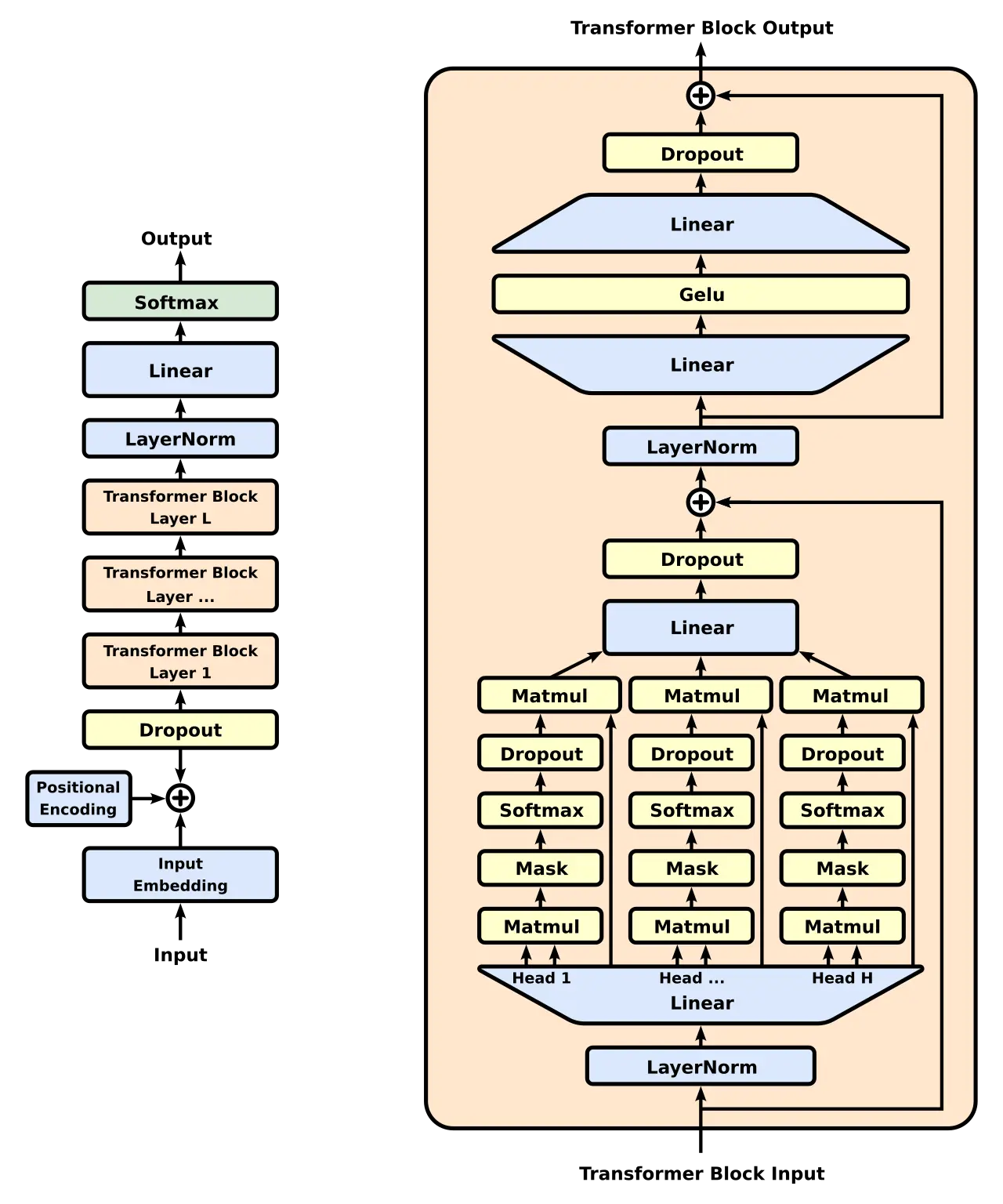
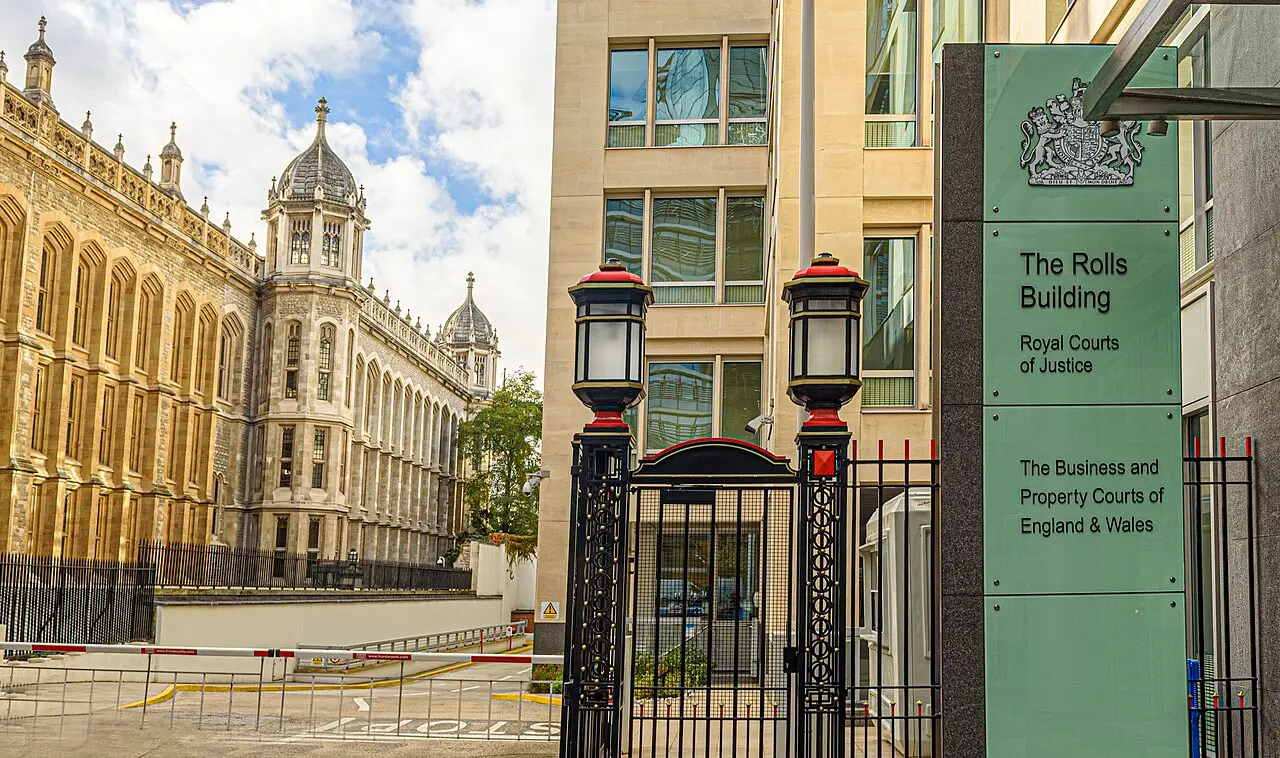
Marxav; vectorization by Mrmw (Wikimedia Commons) · CC0 · Commons ↗ On 14 February 2019 OpenAI announced GPT-2, a 1.5-billion-parameter language model, and withheld the trained model over concerns about misuse. Trained on 40GB of text from 8 million web pages, it was released only as a small model and a paper; the dataset, training code and weights were held back. OpenAI called the decision an experiment and released larger versions in stages—355M in May, 774M on 20 August—before publishing the 1.5B weights and an output detector on 5 November. Four research partners, including Cornell University, studied misuse, bias and detection. According to Helen Toner of Georgetown's CSET, many machine-learning researchers criticised the move as hype that damaged academic openness, while policy and governance circles largely welcomed it. Staged release and model cards became reference points for later large-model releases.
2020s
- EVT.002T1Stable Diffusion Goes Public — Image Generation on Your Own GPUA History of Artificial IntelligenceA History of Open Source and Free SoftwareRead more →

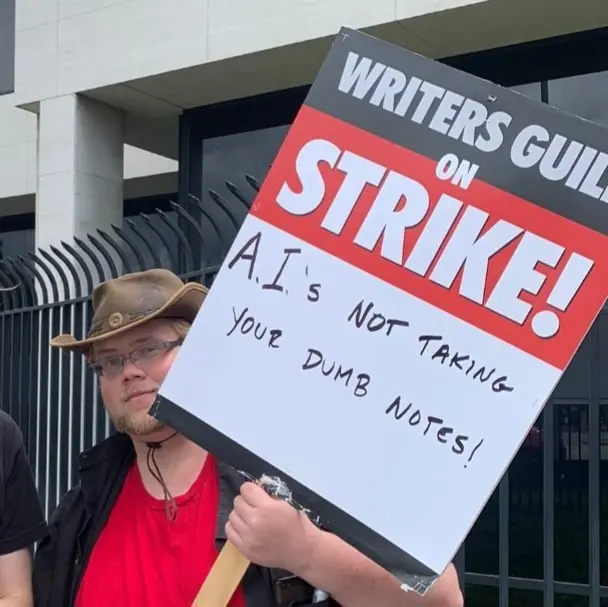
Midjourney output reproduced in the U.S. Copyright Office Review Board decision (Wikimedia Commons) · Public domain (PD-AI) · Commons ↗ In the Colorado State Fair fine-arts results dated 29 August 2022, Jason M. Allen's Théâtre D'opéra Spatial, made with the image generator Midjourney, took first place in the Emerging Artist division's Digital Arts / Digitally-Manipulated Photography class. When Allen announced the win in Midjourney's Discord, artists reacted angrily on social media and the win drew national attention. Allen applied to register the work with the US Copyright Office on 21 September 2022; the Office asked him to exclude the Midjourney-generated material, he refused, and registration was refused. On 5 September 2023 the Office's Review Board affirmed, holding that more than a de minimis amount of AI-generated content must be disclaimed in an application. Allen sued in the District of Colorado on 26 September 2024; as of June 2026 no ruling had been issued.
- EVT.004T1ChatGPT LaunchedA History of Artificial IntelligenceA General History of Information TechnologyRead more →
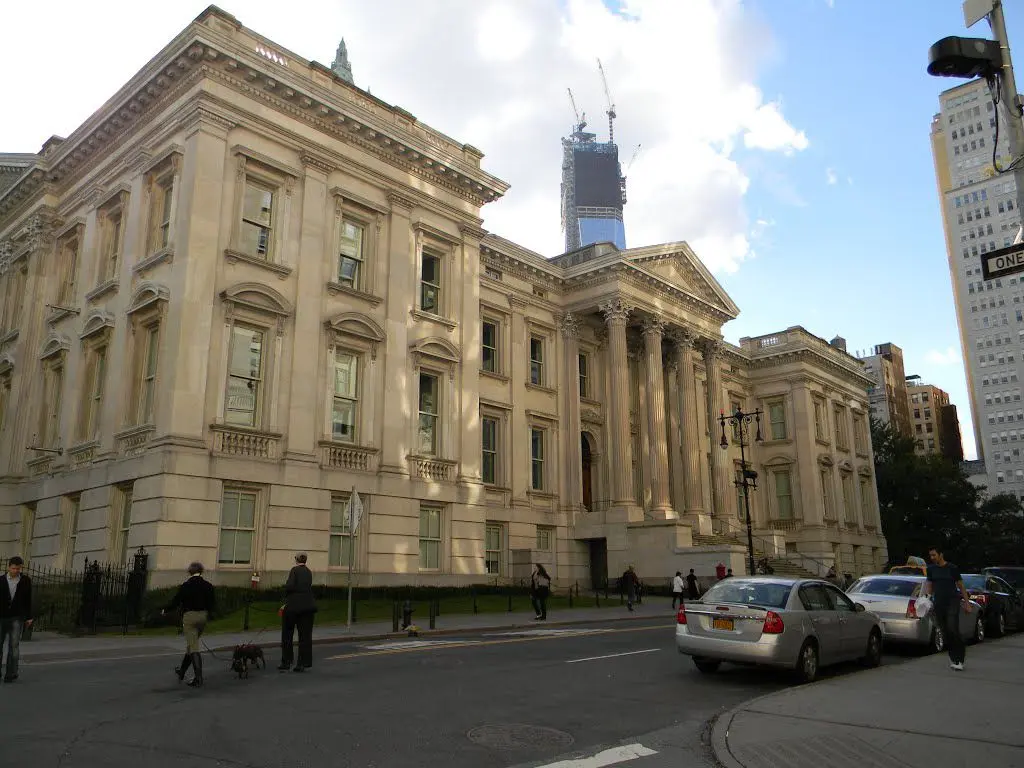
Upstateherd (Wikimedia Commons) · CC BY-SA 4.0 · Commons ↗ On 3 January 2023 it was reported that New York City Public Schools, the largest school system in the US, had restricted access to ChatGPT on its networks and devices. Spokesperson Jenna Lyle cited concerns about negative impacts on student learning and about the safety and accuracy of content, saying the tool does not build critical-thinking and problem-solving skills. Schools could request access to study the technology. Other large districts, including Los Angeles, also blocked it. On 18 May 2023, however, Chancellor David Banks wrote that the knee-jerk fear and risk had overlooked the potential of generative AI, and the system turned to resources and shared examples for teachers. The same year OpenAI withdrew its AI-text classifier within six months for low accuracy, and in July Japan's education ministry issued provisional guidelines that rejected a blanket ban. In Pew Research Center surveys, the share of US teens who had used ChatGPT for schoolwork doubled from 13 per cent in 2023 to 26 per cent in 2024.
- EVT.008T1Geoffrey Hinton Leaves Google to Warn About AI's DangersA History of Artificial IntelligenceA General History of Information TechnologyRead more →
- EVT.009T1Samsung's ChatGPT Leak — How Employees' Prompts Led to a Generative AI BanA History of CybersecurityRead more →
- EVT.011T1Biden's Executive Order on Safe, Secure, and Trustworthy AIA History of Artificial IntelligenceA General History of Information TechnologyRead more →
- EVT.015T1AI Goes to War — OpenAI Policy Reversal and the Anthropic-Palantir-AWS PactA History of Artificial IntelligenceA General History of Information TechnologyRead more →
- EVT.017T1The Arup Deepfake Scam — HK$200 Million Lost After a Video Call With Fake ExecutivesA History of CybersecurityRead more →
- EVT.018T1OpenAI's Sora — Text-to-Video AI from Announcement to ShutdownA History of Artificial IntelligenceRead more →
- EVT.019T1EU AI Act Adopted — The World's First Comprehensive AI RegulationA History of Artificial IntelligenceA General History of Information TechnologyRead more →
- EVT.020T1The Three Mile Island Unit 1 Restart Deal — Data Centres Call a Reactor BackA History of Artificial IntelligenceA General History of Information TechnologyA History of Cloud ComputingRead more →
- EVT.023T1Bartz v. Anthropic — Training an LLM Is Fair Use; Stocking a Library with Pirated Books Is NotA History of Artificial IntelligenceA General History of Information TechnologyRead more →
- EVT.024T1GTG-1002 — The 'AI-Orchestrated' Espionage Campaign Run Through Claude CodeA History of CybersecurityA History of Artificial IntelligenceRead more →
- EVT.025T1Erdős Problems Fall to AI — and the Debate Over the Death of MathematicsAI and Mathematics: A HistoryA History of Artificial IntelligenceRead more →
- EVT.026T1Claude Mythos Preview and Project Glasswing — The Model Held Back for Its Hacking SkillA History of CybersecurityA History of Artificial IntelligenceRead more →
- EVT.027T1Executive Order 14409 — 'Covered Frontier Models' and a Voluntary Pre-Release FrameworkA History of Artificial IntelligenceA General History of Information TechnologyA History of CybersecurityRead more →
- EVT.028T1Commerce Puts Two Anthropic Models Under Export Control — Nineteen Days DarkA History of Artificial IntelligenceA General History of Information TechnologyA History of CybersecurityRead more →