Detailed · 20 events
A History of the iPhone
2000s
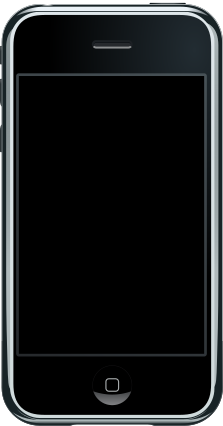
Rafael Fernandez / TheGoldenBox (Wikimedia Commons) · CC BY-SA 4.0 · Commons ↗ Unveiled by Steve Jobs at Macworld in January 2007, the iPhone went on sale in the United States on June 29 of the same year. By dropping the physical keyboard in favour of capacitive multi-touch and putting an OS X-derived operating system on a phone, the device rewrote the grammar of the product category that would later be called the smartphone.
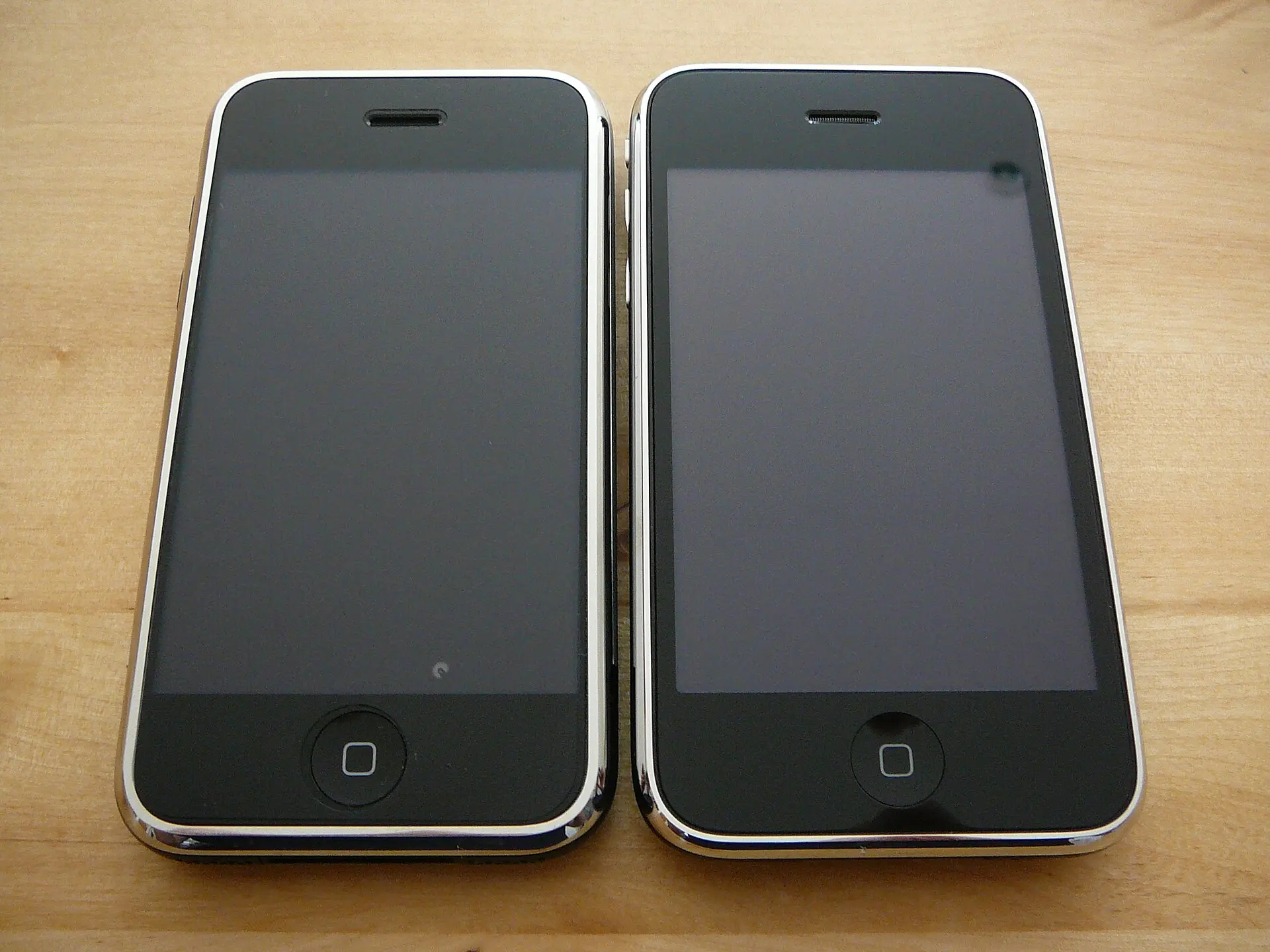
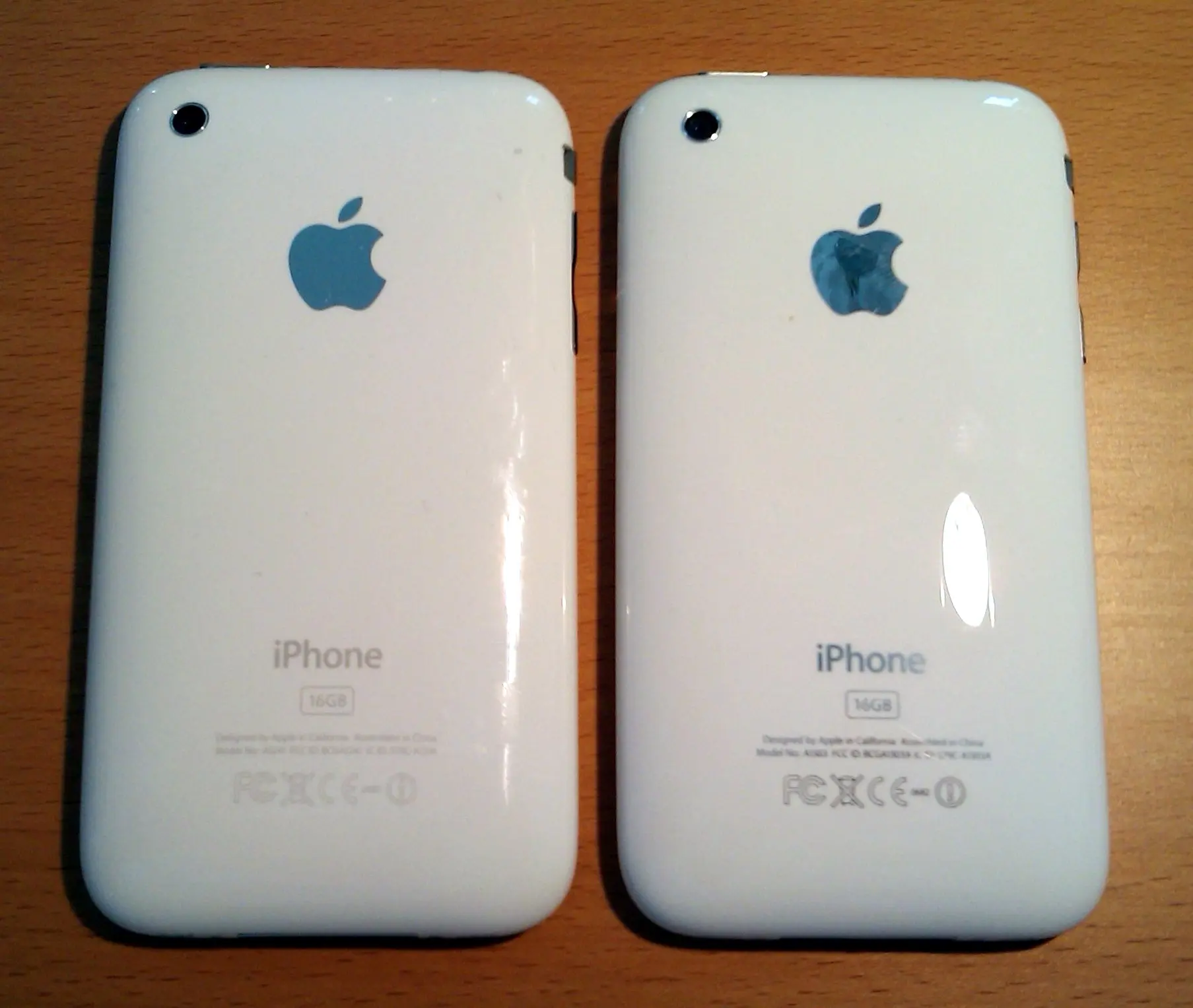
Apple Inc. (Wikimedia Commons) · Public Domain (PD-textlogo; trademark of Apple Inc.) · Commons ↗ The App Store opened on 10 July 2008; iPhone OS 2.0 and the iPhone 3G followed the next day. Apple's own figure for opening day was more than 500 native applications, over 125 of them free. Funnelling every developer through one Apple-run channel, with a 70/30 split, formed the spine of mobile economics for the next decade and a half. The web-app policy Steve Jobs had called a 'very sweet solution' at WWDC in June 2007 was reversed nine months later, when Apple announced the iPhone SDK on 6 March 2008.
2010s
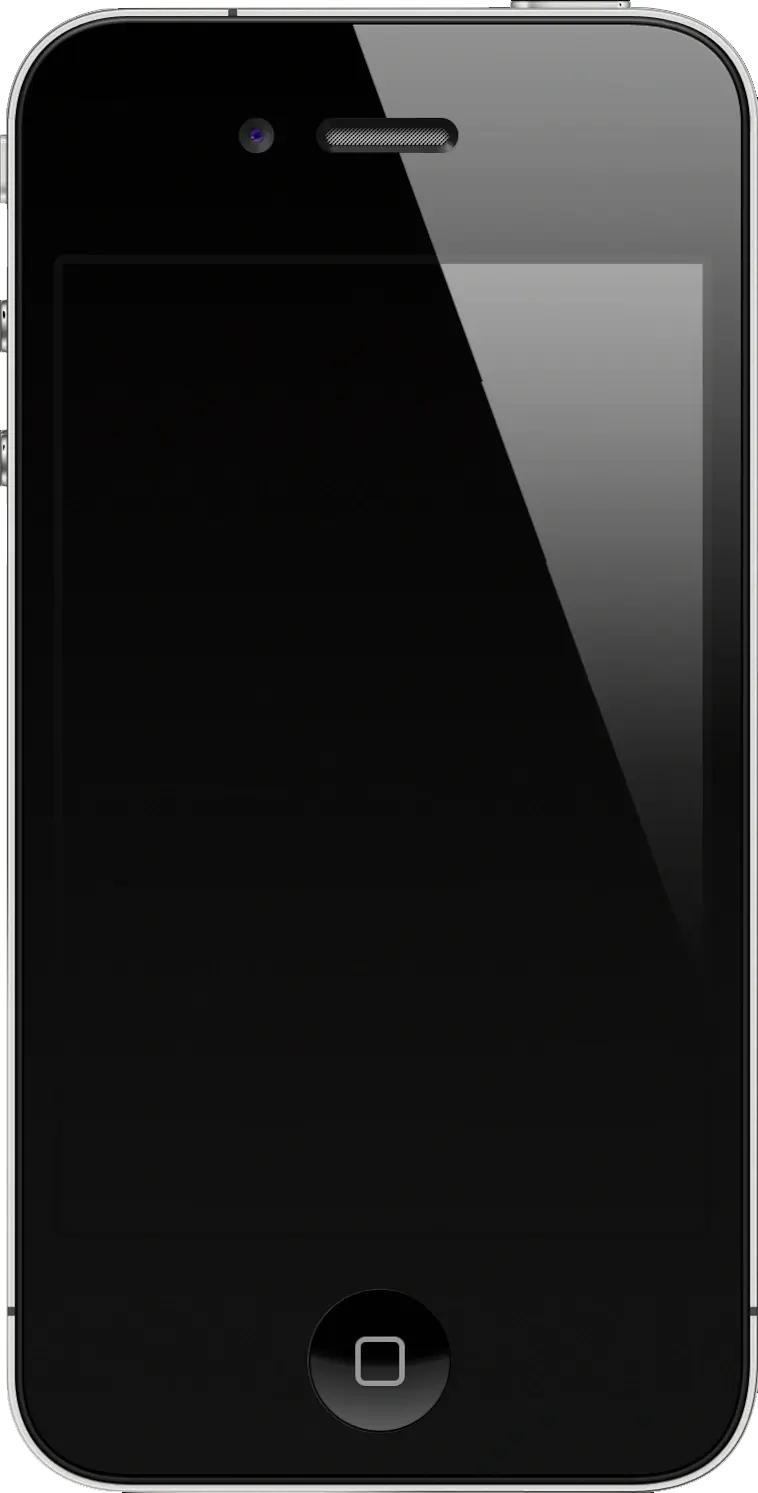
Justin14 (Wikimedia Commons) · CC BY-SA 3.0 · Commons ↗ Presented at WWDC on 7 June 2010 and released on 24 June in the US, UK, France, Germany and Japan (SoftBank Mobile in Japan). Apple branded the new 326-ppi panel the 'Retina display', claiming the human eye could not resolve individual pixels at a normal viewing distance. The industrial design shifted to glass front and back with a stainless-steel sidewall. That same steel band doubled as the antenna, however; certain grips caused noticeable signal loss, triggering the 'Antennagate' affair and, at a press conference on 16 July, a free case for every buyer. It remains one of the most prominent PR failures in Apple's history.
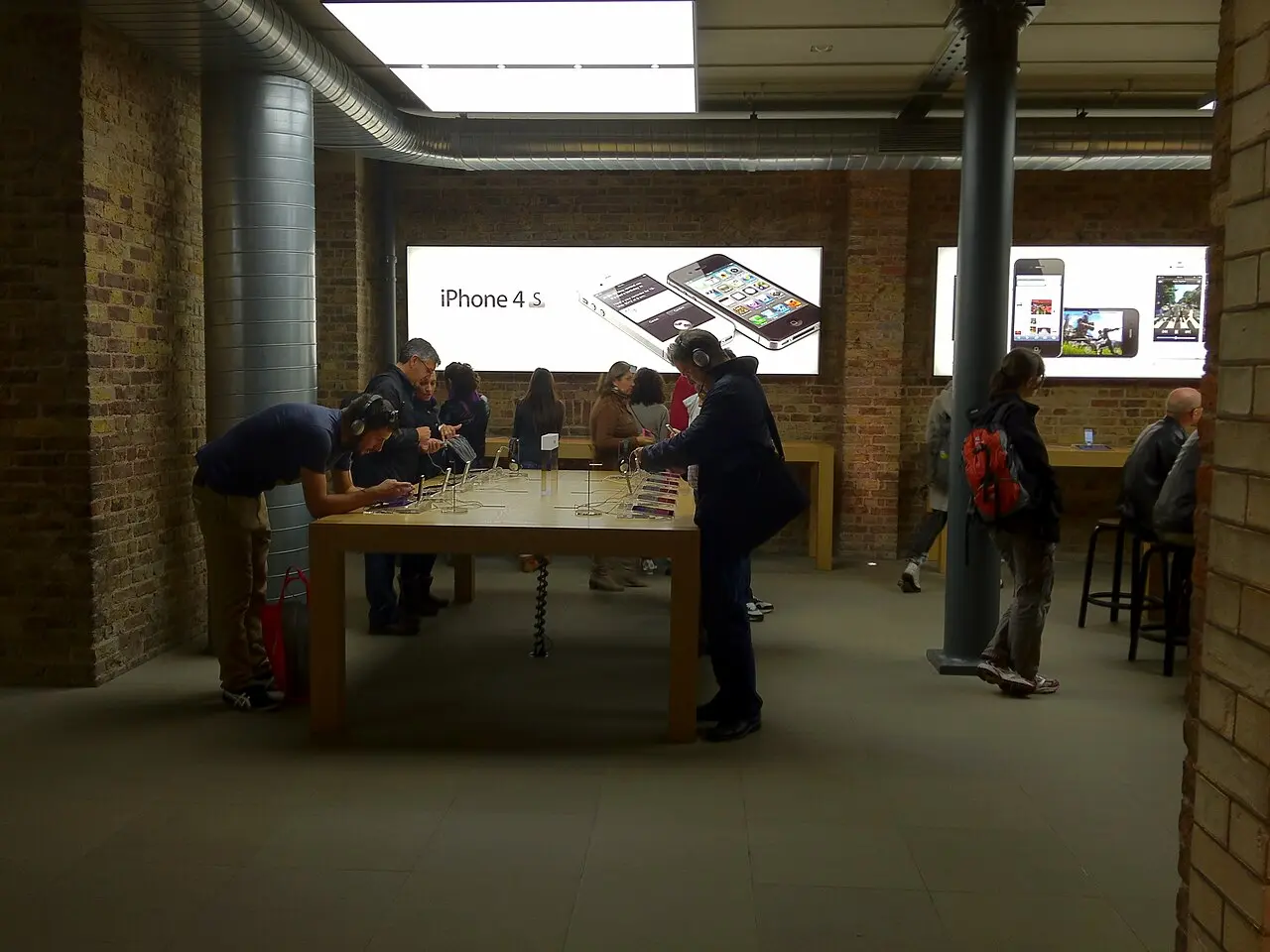
Magnus D (Flickr, via Wikimedia Commons) · CC BY 2.0 · Commons ↗ Announced on 4 October and released on 14 October in the US, Australia, Canada, France, Germany, Japan and the UK. Japan was in the first wave, and KDDI (au) carried the iPhone for the first time alongside SoftBank Mobile. The outside was essentially the iPhone 4; the inside changed to a dual-core A5, an eight-megapixel camera, 1080p video and the Siri voice assistant. Tim Cook, CEO for barely six weeks, presented it; Steve Jobs died the next day, 5 October. Siri came from Siri Inc., a spin-out of SRI International's CALO project that Apple acquired in April 2010; on this phone it was 4S-only, labelled beta, and understood only English, French and German. Japanese arrived with iOS 5.1 in March 2012.
2020s
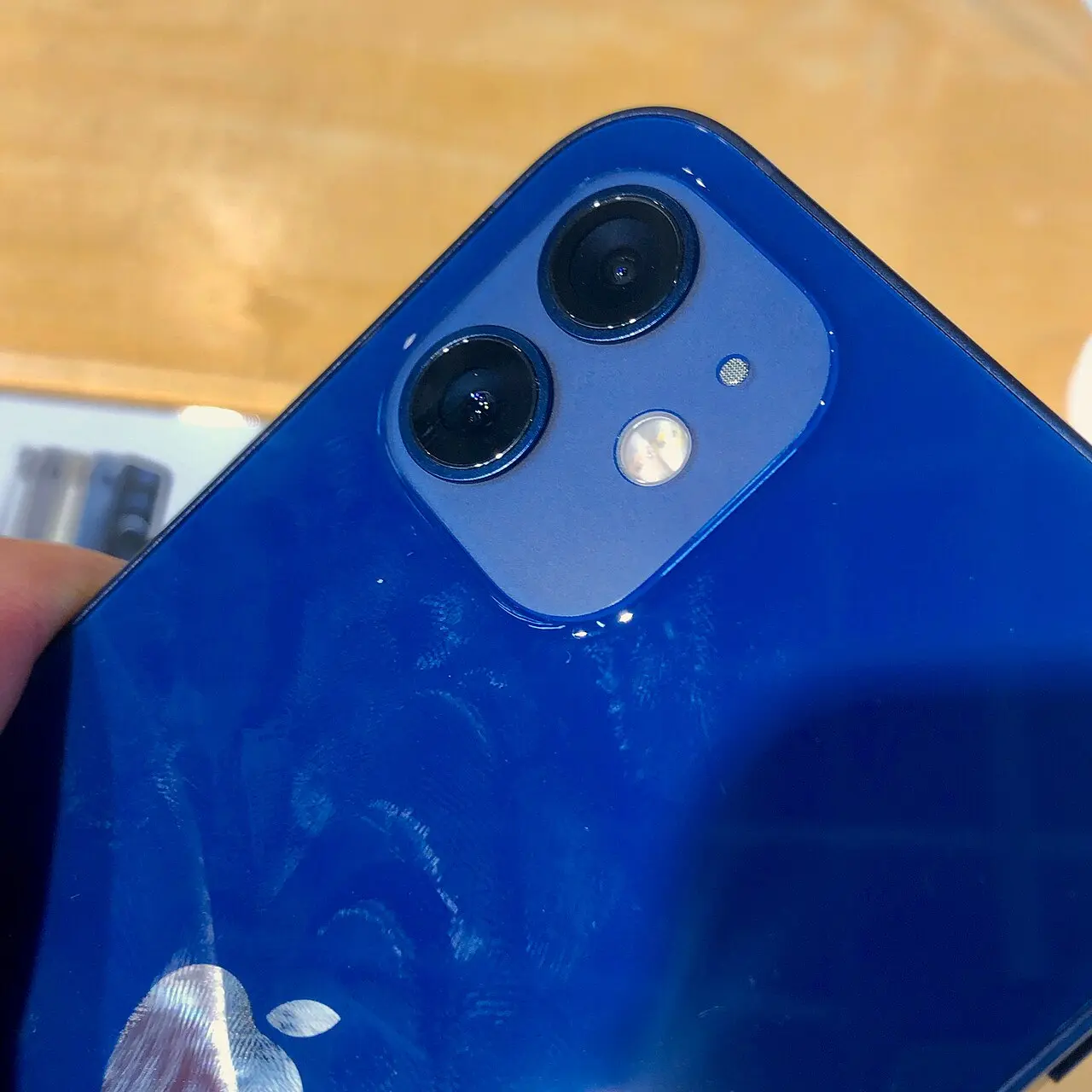
KKPCW · CC BY-SA 4.0 · Commons ↗ Announced on 13 October. The four models shipped in two waves: iPhone 12 and 12 Pro on 23 October, iPhone 12 mini and 12 Pro Max on 13 November, with Japan in the first group both times. Apple's first 5G iPhone brought flat sides, OLED on every model and a Ceramic Shield front, and a magnet array on the back revived the MagSafe name for wireless charging and accessories. At the same time Apple took the power adapter and EarPods out of the iPhone box. The slip from the usual September window had been flagged by Apple on its July earnings call.
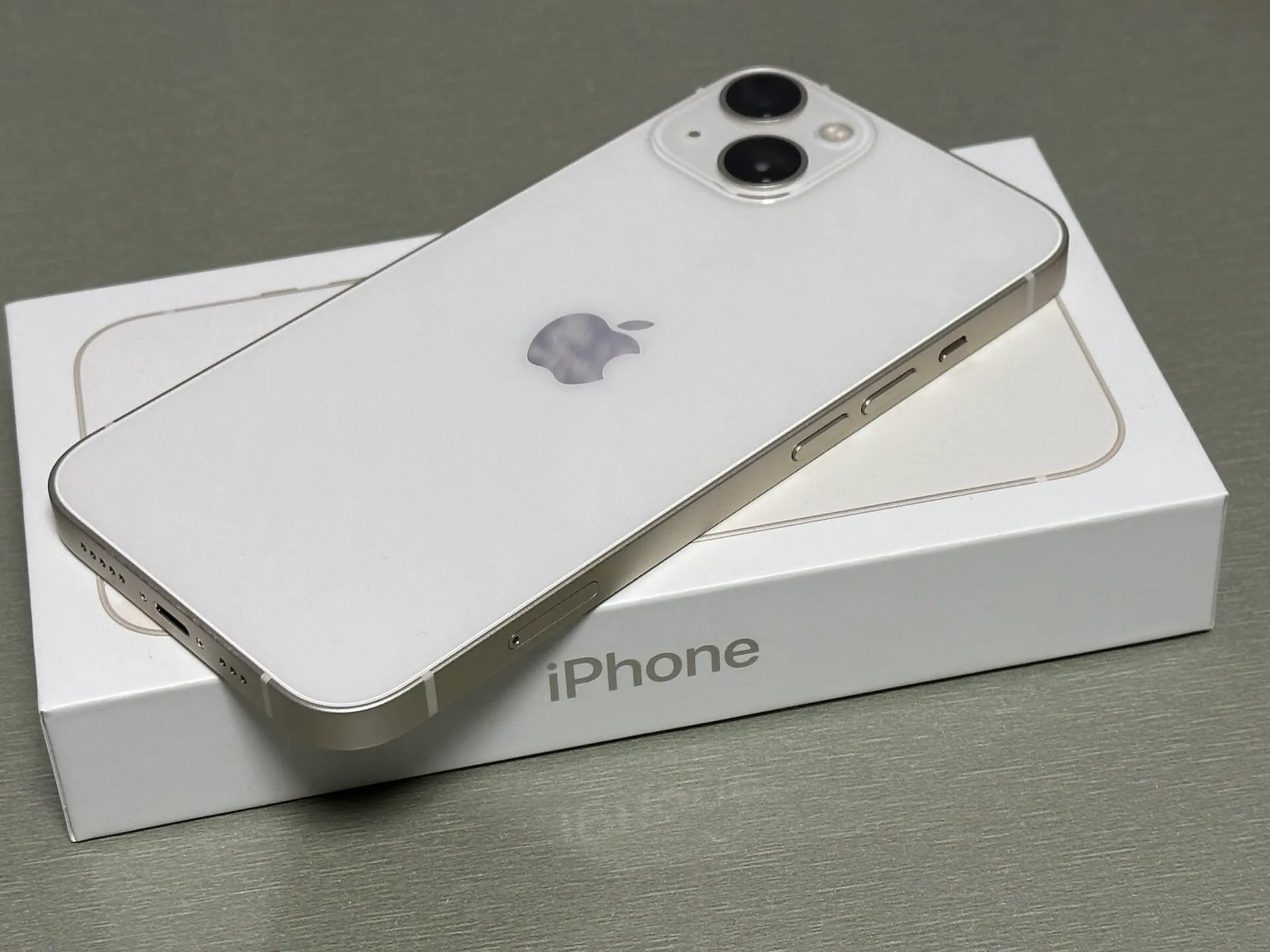
Tatsuo Yamashita (Flickr, via Wikimedia Commons) · CC BY 2.0 · Commons ↗ Announced on 14 September and released on 24 September, all four models together, in countries including Japan. Apple said in the keynote that the TrueDepth components now fit in an area 20 percent smaller, and the notch got narrower. The two Pros became the first iPhones with ProMotion, a 10–120 Hz adaptive refresh rate; the standard 13 and 13 mini did not get it. Cinematic mode, which shifts video focus automatically, sensor-shift stabilisation on every model and a doubling of base storage to 128 GB came too. The following year's iPhone 14 range had no mini; a 6.7-inch Plus took its place.