T1#regulation
United States v. Microsoft — The Antitrust Case
Metadata
- Date
- Decade
- 1990s
- Tier
- T1
- Timelines
- A History of Microsoft
- Sources
- 14
- Connections
- 02
- Tags
- #regulation
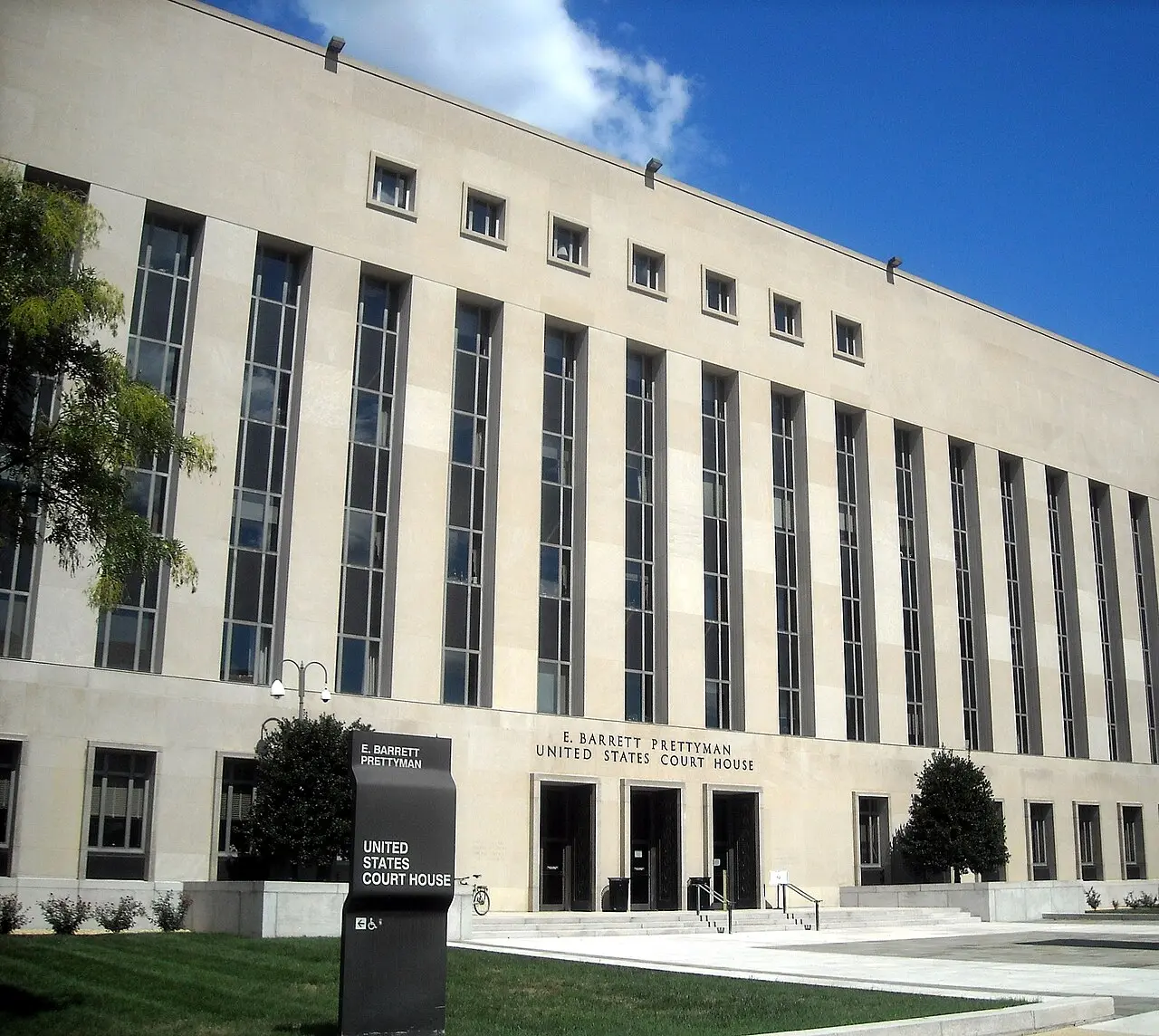
The Microsoft antitrust case was filed on 18 May 1998, when the US Department of Justice sued Microsoft in federal district court in Washington, DC. Twenty states and the District of Columbia filed a parallel suit the same day, and the two cases — Civil Actions 98-1232 and 98-1233 — were tried together. The government's charge was that Microsoft had used exclusionary practices to protect its monopoly in PC operating systems and to extend that monopoly to internet browsing software.
The case ran for four and a half years. The trial court ordered Microsoft broken in two in 2000; the appeals court threw that order out in 2001; and the case ended in a conduct-based settlement approved in November 2002. The breakup never happened.
The case at a glance
| Date | Event |
|---|---|
| 18 May 1998 | DOJ sues; twenty states and DC file the same day |
| 5 Nov 1999 | Judge Thomas Penfield Jackson issues his Findings of Fact |
| 3 Apr 2000 | Conclusions of Law find Sherman Act violations |
| 7 Jun 2000 | Final judgment orders a split into an operating-systems company and an applications company |
| 28 Jun 2001 | DC Circuit, en banc, vacates the remedy |
| 6 Sep 2001 | DOJ says it will not pursue a breakup or the tying claim |
| 2 Nov 2001 | DOJ and Microsoft settle; nine states later join |
| 1 Nov 2002 | Judge Colleen Kollar-Kotelly approves the settlement (judgment entered 12 November) |
| May 2011 | The extended final judgment expires |
What the government alleged
The Justice Department's press release of 18 May 1998 listed the conduct in detail. In May 1995, Microsoft executives had tried to persuade Netscape, its browser rival, not to compete and to divide the market instead. Microsoft had required PC manufacturers to license and install Internet Explorer as a condition of licensing Windows 95, and it intended to tie IE to the forthcoming Windows 98. The complaint also targeted contracts that stopped PC makers from changing the start-up sequence or the placement of browsers, and deals with internet service and content providers that limited how they promoted competing browsers.
The browser itself was not really the prize. As the appeals court later put it, Netscape Navigator and Java were both "middleware" written for multiple operating systems. If enough applications were written to run on middleware, the same software would run regardless of the operating system underneath — and the barrier that protected Windows would shrink. The heart of the case was that Microsoft had set out to stop that from happening.
Findings of fact: the monopoly was real
Judge Jackson issued his Findings of Fact on 5 November 1999. Paragraph 33 held that Microsoft had so much power in the market for Intel-compatible PC operating systems that it could charge substantially more for Windows than a competitive market would allow. Paragraph 35 recorded that Microsoft's share of that market had been above ninety percent every year for a decade, and at least ninety-five percent in the previous couple of years.
His Conclusions of Law followed on 3 April 2000. The court found three violations: unlawful maintenance of the operating-system monopoly (Section 2 of the Sherman Act), attempted monopolisation of the browser market (also Section 2), and unlawful tying of IE to Windows (Section 1).
The breakup order
On 7 June 2000 the district court chose a structural remedy. Microsoft was to submit a divestiture plan, splitting the company into an operating-systems business and an applications business. Microsoft appealed.
The appeal: liability survives, the breakup does not
The DC Circuit heard the case en banc and decided it on 28 June 2001 in an unsigned per curiam opinion. It affirmed in part, reversed in part and remanded in part.
| District court finding | Appeals court |
|---|---|
| Unlawful maintenance of the OS monopoly (Section 2) | Affirmed |
| Attempted monopolisation of browsers (Section 2) | Reversed |
| Tying IE to Windows (Section 1) | Remanded, to be judged under the rule of reason rather than as illegal per se |
| Remedy, including the breakup | Vacated in full |
Part of the reason for vacating the remedy was the trial judge's own conduct. The court found that Judge Jackson had engaged in impermissible contacts by holding secret interviews with members of the media and had made numerous offensive comments about Microsoft officials outside the courtroom. It sent the case to a different judge.
The core of the government's case survived. The finding that Microsoft had illegally maintained its operating-system monopoly stood, and the DOJ issued a short statement that day welcoming exactly that point.
The settlement: conduct, not structure
On 6 September 2001 the Justice Department changed course. It told Microsoft it would no longer seek to split the company into separate operating-systems and applications businesses, and would not pursue the tying claim further, citing the need for prompt, effective and certain relief for consumers.
On 2 November the DOJ and Microsoft announced a settlement. As officials described it at the news conference, its main terms were:
- PC manufacturers could install competing middleware — browsers, instant messaging, media players — without fear of retaliation
- Microsoft had to disclose internal interfaces (APIs) and communications protocols so that other companies could build competing products
- A technical committee of independent experts would monitor compliance: each side appointed one member, and those two chose the third
Microsoft's own announcement said the restrictions would run for five years. Bill Gates, then chairman and chief software architect, said: "The settlement is fair and reasonable and, most important, is in the best interests of consumers and the economy."
Nine of the plaintiff states signed on. Nine others and the District of Columbia did not, arguing the deal was too weak, and pressed for tougher remedies. Judge Colleen Kollar-Kotelly, who had taken over the case, heard the two tracks in parallel and approved the settlement on 1 November 2002, rejecting most of the holdout states' arguments.
Extensions and expiry
The final judgment was originally due to expire in November 2007, five years on. The provisions on technical documentation for Windows communications protocols were extended more than once, including an 18-month extension decided in April 2009, and the final judgment expired in May 2011 — thirteen years after the suit was filed.
What it changed
By the time the case ended, the browser contest it was about had moved on. Six months after the suit was filed, in November 1998, Netscape agreed to merge with America Online and ceased to be an independent company (see the Netscape article). The lawsuit was never a way to bring a lost competitor back.
What remained was the finding of illegality and the obligations of the settlement. The ruling that Microsoft had unlawfully maintained its PC operating-system monopoly was upheld on appeal, and the API and protocol disclosures and the freedom for PC makers to ship rival middleware stayed in force, with extensions, until 2011. Three years after court supervision ended, in 2014, Satya Nadella became CEO and moved Microsoft towards the cloud and open source; the 2018 acquisition of GitHub followed from that turn.
For the company's wider history see Microsoft and the Microsoft timeline; for the browser era, the internet and web timeline.
Questions this page answers
- When was the Microsoft antitrust case filed?
- On 18 May 1998. The Justice Department sued Microsoft, and twenty states plus the District of Columbia filed a similar suit the same day. The two cases, Civil Actions 98-1232 and 98-1233, were tried together in federal district court in Washington, DC.
- Was Microsoft actually ordered to break up?
- Yes. On 7 June 2000 Judge Jackson ordered a split into an operating-systems business and an applications business. The appeals court vacated that remedy on 28 June 2001, and in September the DOJ said it would no longer seek a breakup, so it never happened.
- What did the appeals court uphold and what did it overturn?
- It upheld the finding that Microsoft unlawfully maintained its PC operating-system monopoly. It reversed the attempted-monopolisation finding for browsers and sent the Internet Explorer tying claim back for reconsideration under a different standard. The whole remedy, breakup included, was vacated and the case reassigned to another judge.
- How did the case end?
- The DOJ and Microsoft settled on 2 November 2001, and nine states joined. Judge Kollar-Kotelly approved the settlement on 1 November 2002, entering a final judgment that let PC makers substitute rival middleware and required disclosure of APIs, among other terms. The tougher remedies sought by the nine states and the District of Columbia that had not joined were largely rejected. The final judgment, after extensions, expired in May 2011.
Sources
Filing date, the parallel suit by twenty states and DC, the May 1995 Netscape meeting, and the Windows 95/98 tying allegations
PrimaryU.S. v. Microsoft: Court's Findings of Fact (Nov 5, 1999) — US Department of Justice
Monopoly power in Intel-compatible PC operating systems (para. 33) and a share above 90% for a decade, at least 95% in recent years (para. 35)
The en banc decision of 28 June 2001: monopoly maintenance affirmed, attempted monopolisation reversed, tying remanded, remedy vacated and judge replaced; also describes the district court's breakup order
The DOJ's decision to drop the breakup and the tying claim
The nine settling states and adoption of the Third Revised Proposed Final Judgment submitted on 8 November 2002
Last updated: