T1#market#open-source
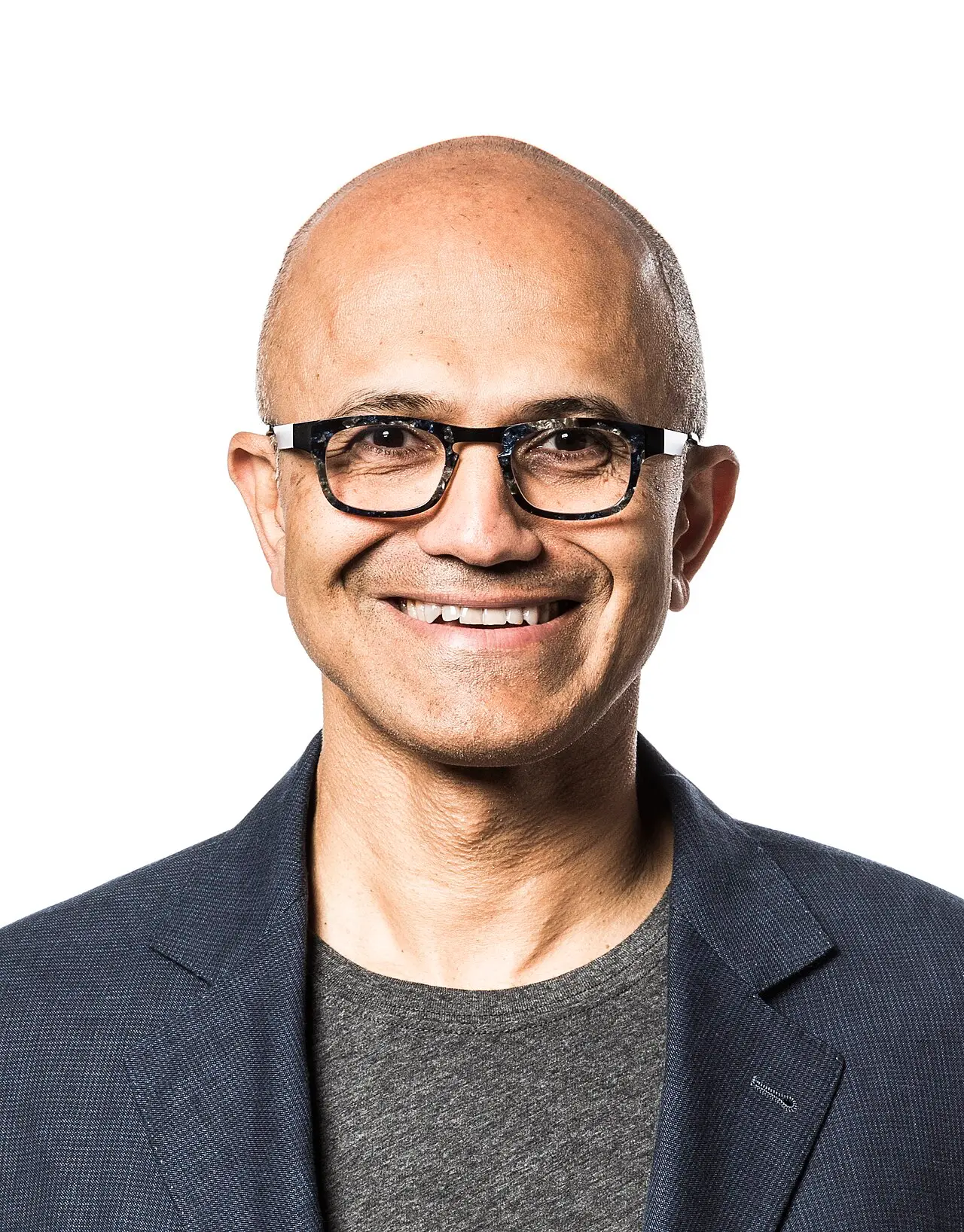
Satya Nadella Becomes CEO of Microsoft
Metadata
- Date
- Decade
- 2010s
- Tier
- T1
- Sources
- 09
- Connections
- 03
- Tags
- #market#open-source
Satya Nadella became chief executive of Microsoft on 4 February 2014. That day Microsoft's board appointed him CEO and a member of the board, effective immediately. He was the company's third CEO, after Bill Gates and Steve Ballmer, and until then had been executive vice president of the Cloud and Enterprise group. Ballmer had announced on 23 August 2013 that he would retire once a successor was named; Nadella's appointment ended a search of nearly six months.
The board changed shape at the same time. Gates stepped down as chairman and stayed on as founder and technology advisor, and lead independent director John Thompson became chairman.
The announcement of 4 February 2014
| Item | Detail |
|---|---|
| New CEO | Satya Nadella, effective immediately, also joining the board |
| Previous role | Executive vice president, Cloud and Enterprise |
| Predecessor | Steve Ballmer (retirement announced 23 August 2013) |
| Bill Gates | Steps down as chairman; becomes founder and technology advisor |
| New chairman | John Thompson, independent director |
| Board | Seven of ten members independent |
Microsoft's press release said Gates would devote more time to the company, supporting Nadella in shaping technology and product direction. The founder left the chair but stayed close as a technical adviser.
Who Nadella was
According to his Microsoft biography, Nadella worked on the technology staff of Sun Microsystems before joining Microsoft in 1992. He led research and development for the Online Services Division and was a vice president of the Microsoft Business Division before taking on Cloud and Enterprise.
The appointment release credited him with the company's move to the cloud and with building one of the largest cloud infrastructures in the world, supporting Bing, Xbox, Office and other services. During his tenure over the Server and Tools business, it said, the division outperformed the market and took share from competitors. Microsoft chose as CEO not the head of Windows or Office, but the head of its cloud.
His first words as CEO, in the press release, were:
"The opportunity ahead for Microsoft is vast, but to seize it, we must focus clearly, move faster and continue to transform."
The Official Microsoft Blog quoted the same remark that day with slightly different words in the middle: "move faster, push harder and continue to transform".
What changed in the first year
Within a year Nadella had visibly turned the company.
| Date | Event |
|---|---|
| 4 Feb 2014 | Becomes CEO |
| 27 Mar 2014 | At his first press event, announces Word, Excel and PowerPoint for iPad, available that day |
| 10 Jul 2014 | Redefines the company in an e-mail to staff |
| 20 Oct 2014 | Declares support for Linux at an Azure event |
Office for iPad (27 March). Fortune reported that at his first press conference as CEO, Nadella announced iPad versions of Word, Excel and PowerPoint, available immediately. Putting Office on a rival platform was a deliberate break, and he framed the company's vision around what he called the intersection of mobile and cloud.
A new definition (10 July). In a long e-mail to employees, Nadella described a "mobile-first and cloud-first world" and set out Microsoft's place in it:
"At our core, Microsoft is the productivity and platform company for the mobile-first and cloud-first world."
He wrote that the earlier description of Microsoft as a "devices and services" company had been helpful in starting the transformation, but that the company now needed to hone in on its unique strategy.
Linux (20 October). At a cloud event in San Francisco, Nadella stood in front of a slide that read "Microsoft loves Linux". According to The Register, he said that 20 percent of Azure was already Linux and announced support for CoreOS as the fifth officially supported Linux distribution on Azure. For a company whose previous CEO had called Linux a cancer in an intellectual-property sense in 2001, it was a striking turn.
What followed
The same direction ran through the larger decisions that came later. In 2018 Microsoft bought GitHub for US$7.5 billion in stock, and in 2019 it invested US$1 billion in OpenAI and made Azure OpenAI's compute platform. On 16 June 2021 the board voted unanimously to make Nadella chairman as well, replacing Thompson.
The stock market rewarded the turn. According to Euronews, Microsoft's market value passed US$3 trillion in January 2024, making it the second company after Apple to reach that level; the paper attributed the rise in part to its investment in AI.
Before and after
Under Gates and Ballmer, Microsoft was a company that sold Windows and Office. Nadella's appointment was the point at which it began putting the cloud at its centre instead. The Microsoft of the 1990s had been taken to court over its Windows monopoly in the antitrust case; the Microsoft that Nadella led would come to run Linux on Azure and ship Office on the iPad.
For the people involved see Satya Nadella and Bill Gates; for the company, Microsoft and the Microsoft timeline.
Questions this page answers
- When did Satya Nadella become CEO of Microsoft?
- On 4 February 2014, when the board appointed him CEO and a director, effective immediately. His predecessor, Steve Ballmer, had announced on 23 August 2013 that he would retire once a successor was named.
- What did Nadella do before becoming CEO?
- He was executive vice president of the Cloud and Enterprise group. He joined from Sun Microsystems in 1992, led R&D for the Online Services Division and was a vice president of the Microsoft Business Division, and oversaw the build-out of the cloud infrastructure behind Bing, Xbox and Office.
- What changed at Microsoft under Nadella?
- It began shipping its products beyond Windows. In March 2014 it released Word, Excel and PowerPoint for iPad; in July Nadella defined Microsoft as the productivity and platform company for the mobile-first and cloud-first world; in October he said some 20 percent of Azure was already Linux and declared his support for it; and in 2018 Microsoft bought GitHub.
- What happened to Bill Gates when Nadella took over?
- He stepped down as chairman and stayed on the board as founder and technology advisor, devoting more time to the company to help Nadella shape technology and product direction. John Thompson became chairman; Nadella took over that role in June 2021.
Sources
PrimaryMicrosoft Board names Satya Nadella as CEO — Microsoft News Center, Feb 4, 2014
Immediate appointment, previous role, joining in 1992, Ballmer's announcement of 23 August 2013, Gates's new role and Thompson as chairman
PrimarySatya Nadella, Chairman and Chief Executive Officer — Microsoft Source (executive biography)
His move from Sun Microsystems and roles in the Online Services and Business divisions
Full text of the staff e-mail, with the mobile-first, cloud-first definition
TertiarySatya Nadella — Wikipedia
Last updated: