Detailed · 34 events
A History of Mobile Phones and Smartphones
1990s
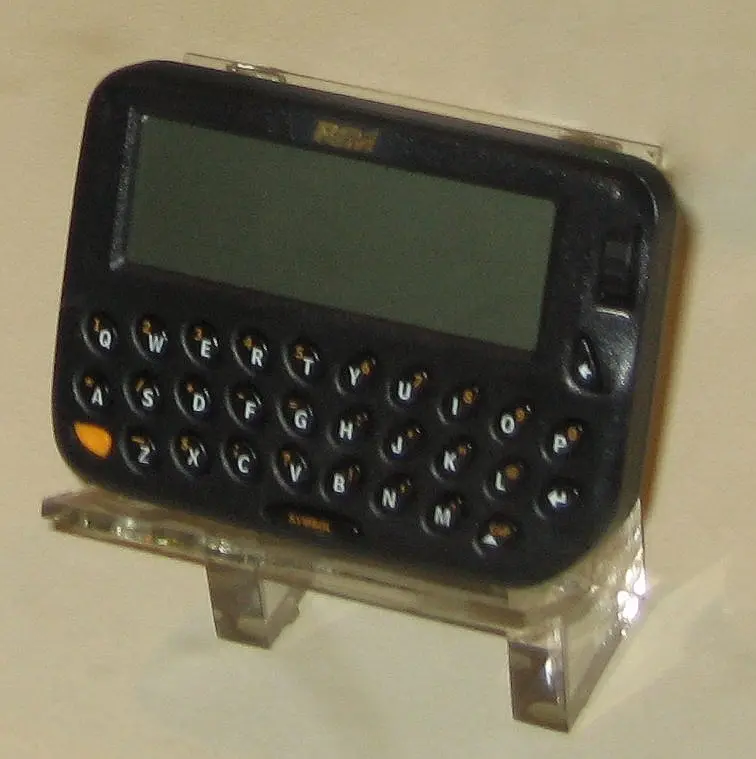
In the late 1990s the pocket device was being worked out along three separate lines. Palm, arriving after oversized PDAs had failed, made a small stylus-and-handwriting organiser whose real partner was the desktop PC it synced with. Research In Motion won over American business users with a keyboard for the thumbs and mail pushed out from the server. In Japan, NTT DoCoMo put a curated portal and packet-billed internet access on the handset itself. The handheld computer and the telephone were still separate boxes; joining them was the next decade's work.
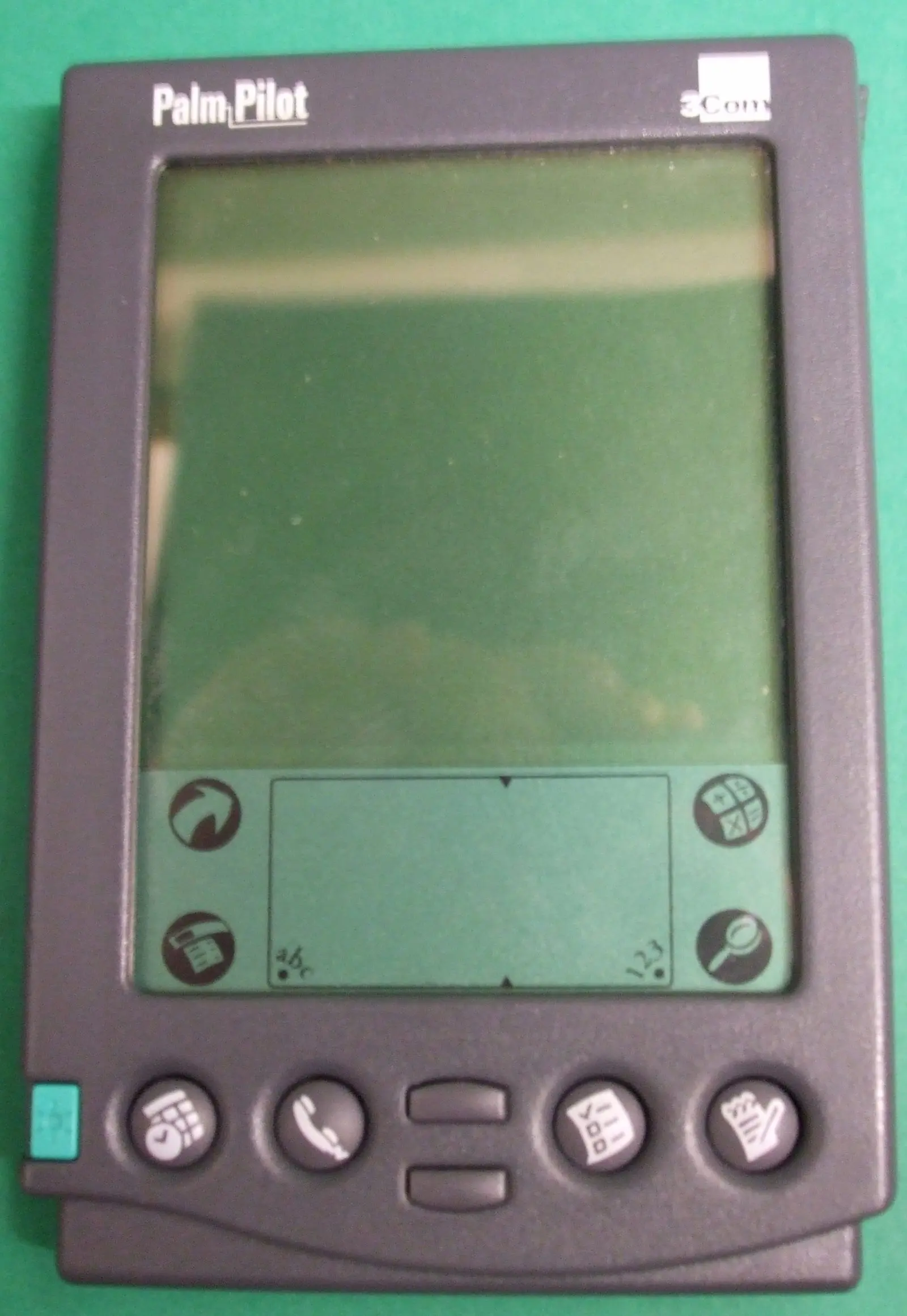
Miguel Durán / Museo8bits (Wikimedia Commons) · CC BY-SA 3.0 · Commons ↗ Palm Computing, then a division of US Robotics, launched the Pilot 1000 (128 KB, US$299) and the Pilot 5000 (512 KB, US$369) in 1996. After the Apple Newton and other oversized PDAs failed in the market, Palm bet on three things: a shirt-pocket form factor, HotSync synchronisation with the PC, and the Graffiti handwriting input system. With a stylus-driven resistive touchscreen, a bespoke OS, and weeks of life on a pair of AAA batteries, Palm passed one million units within eighteen months of launch and effectively owned the PDA category — 68% of the worldwide market in 1998, by IDC's count. It set the template for later smartphone UIs, the home-screen grid, and the desktop-sync culture.
- EVT.002T1The Origins of Wi-Fi — IEEE 802.11 ApprovedA History of the Internet and the WebRead more →

Google, Noto Emoji project (Wikimedia Commons) · Apache License 2.0 · Commons ↗ Emoji were born on Japanese mobile phones in the late 1990s. The best-known set is NTT DoCoMo's, which appeared with i-mode in 1999: 176 characters on a 12-by-12 grid, developed under Shigetaka Kurita and acquired by the Museum of Modern Art in New York in 2016. But on mobile phones, the 90 emoji on the Pioneer-made SkyWalker DP-211SW, released by J-Phone in November 1997, came first, and Kurita himself has said so. Each carrier's set was incompatible with the others, and a 2000 proposal to Unicode went nowhere; then Google began converting them in 2006, engineers from Google and Apple jointly proposed them in 2009, and Unicode 6.0 in October 2010 standardised the union of the three Japanese carriers' sets. They spread worldwide with the iPhone, and in 2015 Oxford Dictionaries chose the Face with Tears of Joy emoji as its word of the year. DoCoMo stopped putting its own emoji on new phones in 2025.


2000s
In the 2000s the handheld computer and the phone became one device, and control of that device began to change hands mid-decade. Nokia began by mass-producing Symbian phones with cameras and packet data, and in 2006 Symbian's share of smartphone operating systems peaked near 70 percent. The 2007 iPhone moved input onto a multi-touch screen; a year later the 3G model arrived alongside the App Store and made it a machine for other people's software. That same year Android set off in another direction, offering an open-source OS to any handset maker. With the 3GS Apple settled into yearly refinement, and the 2010s became a contest between the two camps.
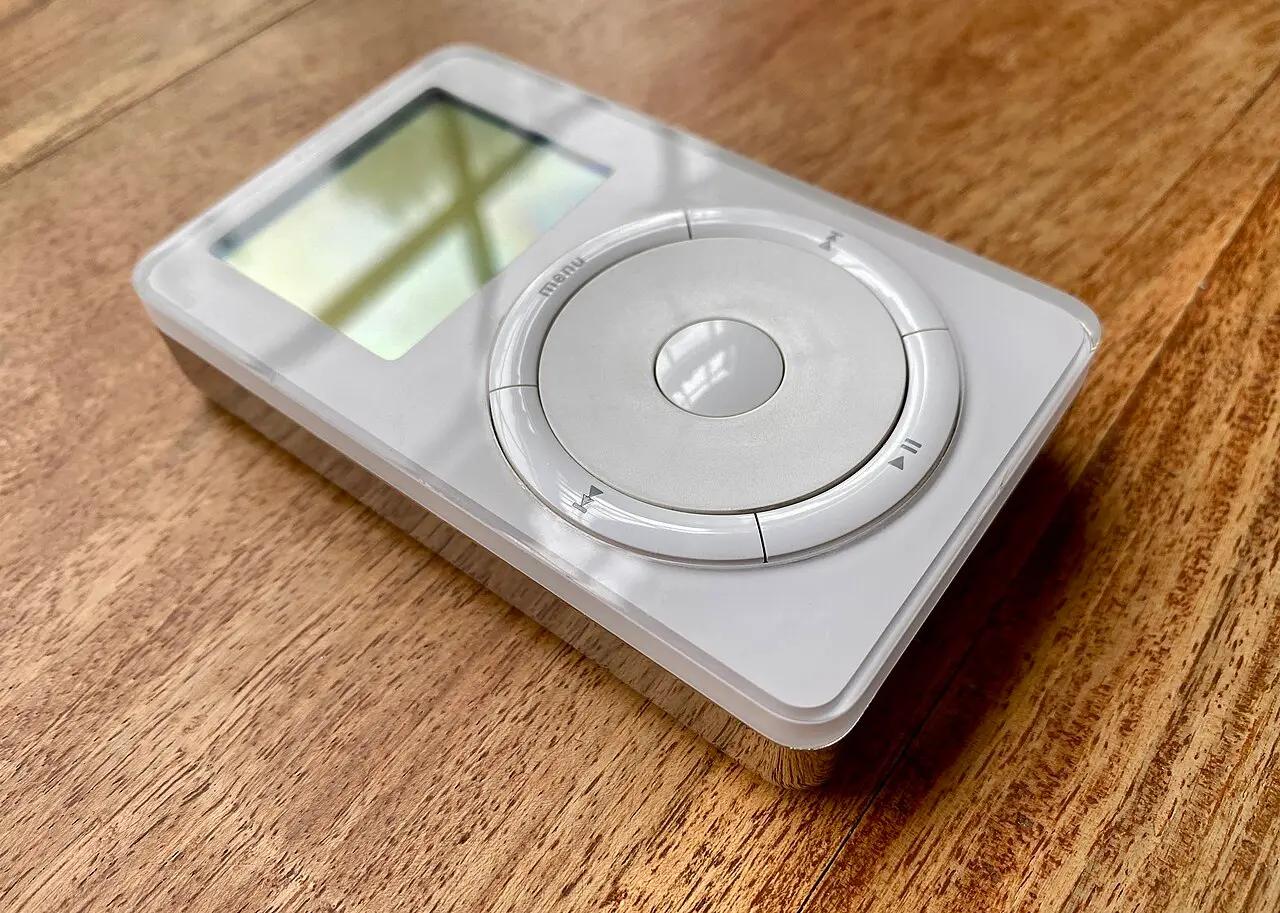
Blake Patterson (Flickr, via Wikimedia Commons) · CC BY 2.0 · Commons ↗ Apple announced the iPod on 23 October 2001 and released it in the US on Saturday 10 November at $399. A 5 GB hard drive held about 1,000 songs in a 6.5-ounce body with up to ten hours of battery life, and FireWire moved a whole CD across in under ten seconds. In Japan it was first set to go on sale the same day at ¥47,800, but the launch was pushed back a week to 17 November. The first iPod worked only with the Mac and iTunes 2; Windows support came with the second generation, announced in July 2002, and the iTunes Music Store opened in April 2003. Apple announced 100 million iPods sold in April 2007, and the name lasted until the iPod touch was discontinued in May 2022.
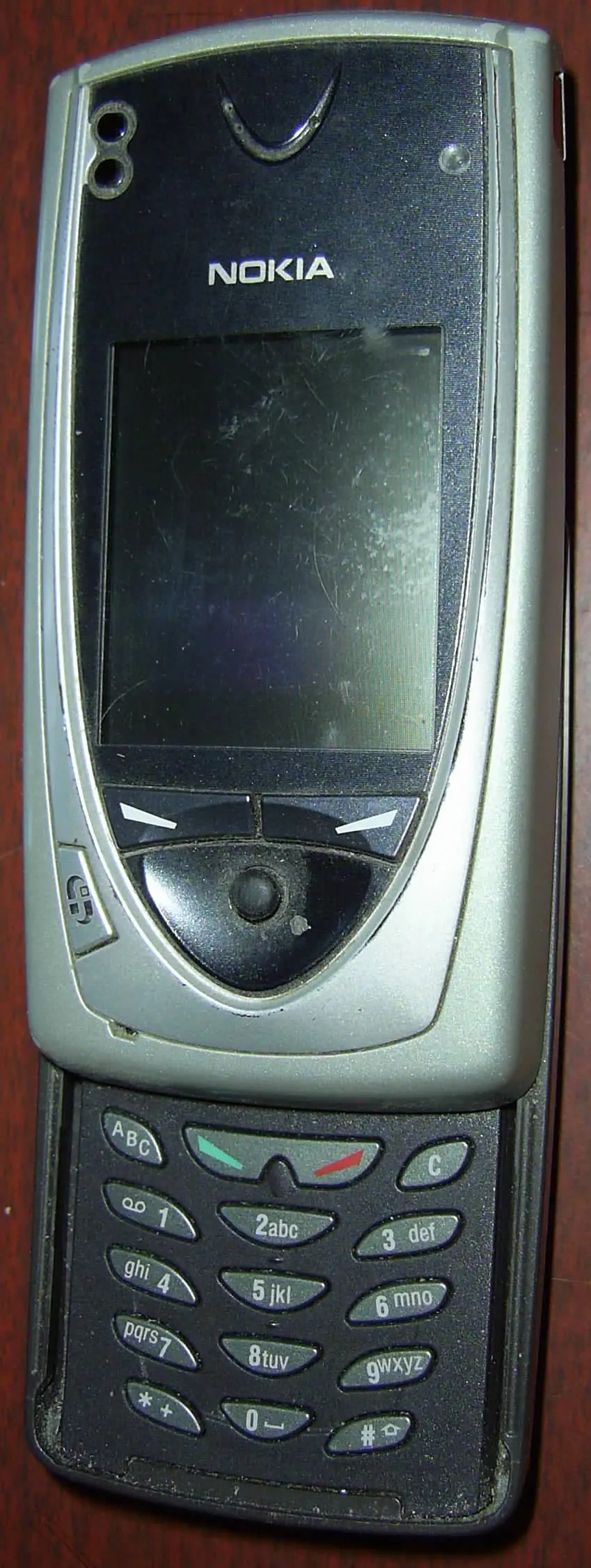
Miguel Durán / Museo8bits (Wikimedia Commons) · CC BY-SA 2.5 · Commons ↗ On 26 June 2002, Nokia launched the Nokia 7650 — the first mass-produced device running Symbian OS on the Series 60 (later S60) platform, and Nokia's first camera phone. With a slide-up body, a 176×208-pixel colour screen, GPRS data, and open Symbian application execution, Nokia established the template for what would later be called the smartphone. Symbian's share of the global smartphone OS market peaked in 2006 at close to seven-tenths (reported between 67% and 73%), passing 100 million cumulative devices that November; the 250-millionth shipped in July 2009. Then the iPhone and Android arrived; Nokia collapsed, sold the handset business to Microsoft in April 2014, and Microsoft sold the feature-phone business on to FIH Mobile and HMD Global in May 2016, ending the lineage.
- EVT.009T1The Original iPhone Goes on SaleA History of the iPhoneA General History of Information TechnologyA History of Operating SystemsRead more →
- EVT.010T1iPhone 3G — 3G, GPS, the App Store, and JapanA History of the iPhoneRead more →
- EVT.011T1Android 1.0 and the HTC DreamA History of Operating SystemsA General History of Information TechnologyRead more →
- EVT.012T1iPhone 3GS — Same Outside, Faster InsideA History of the iPhoneRead more →
2010s
In the 2010s the smartphone's shape settled, and the arguments moved to what could be taken off it and how it should recognise its owner. Samsung built the Galaxy S into Android's near-annual standard-bearer, while Apple followed the Galaxy Note to larger screens three years late. The iPhone gave up its 30-pin connector, then its headphone jack, then its home button, and identity checks moved from a fingerprint to a face. Pressure-sensing 3D Touch arrived and left within the decade. By its end, several lenses sat on the back. The notch, the Lightning port and Siri would each be reworked in the 2020s.
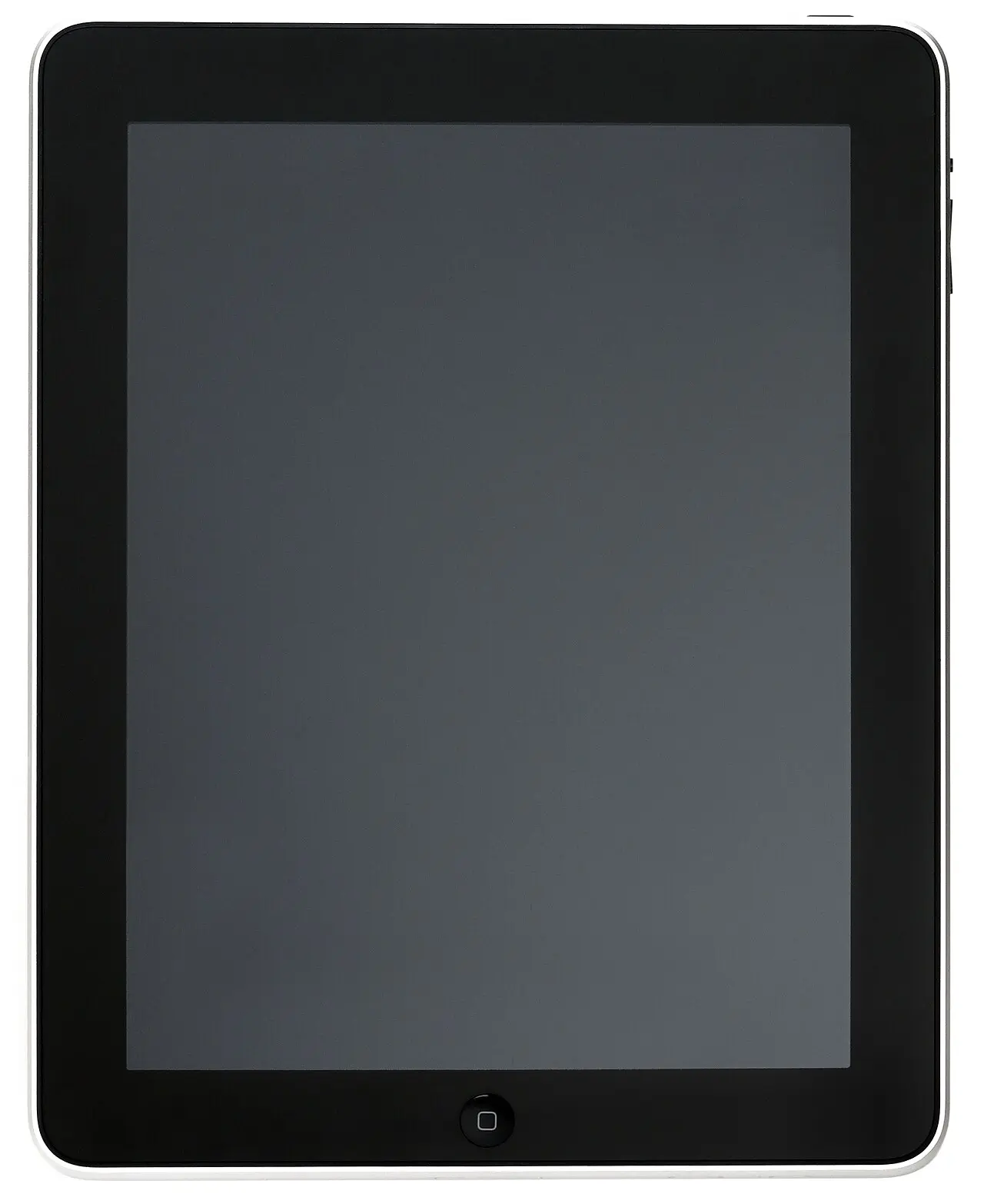
Evan-Amos (Wikimedia Commons) · Public domain · Commons ↗ Apple announced the iPad on 27 January 2010 and released the Wi-Fi model in the US on 3 April; the Wi-Fi + 3G model followed in the US on 30 April. Japan was among the countries originally due to get it in late March, later late April, but because US demand outran supply the international launch was pushed back a month. The iPad reached Australia, Canada, France, Germany, Italy, Japan, Spain, Switzerland and the UK on 28 May. It had a 9.7-inch IPS display and Apple's own A4 chip, was 0.5 inches thick, weighed 1.5 pounds and ran for up to ten hours. US prices were $499 to $699 for Wi-Fi and $629 to $829 for 3G. Apple reported one million sold in 28 days and two million in under 60 days.
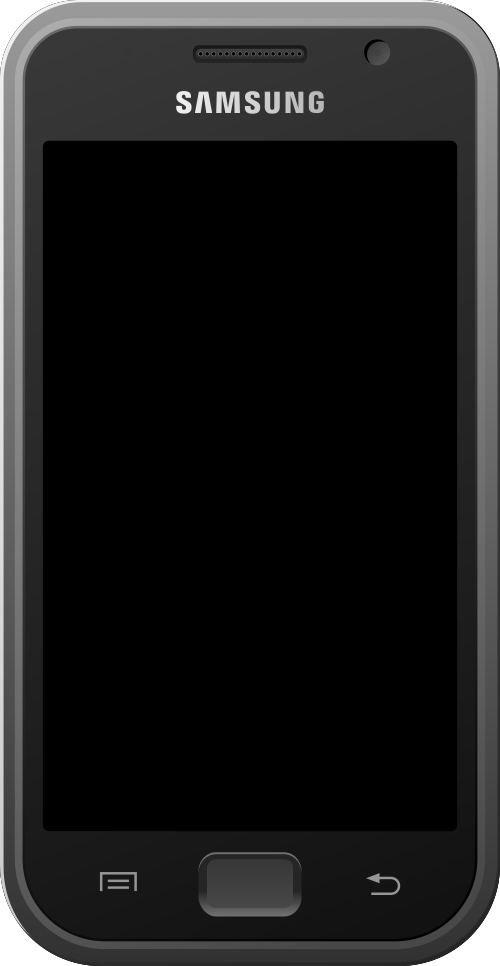
Rafael Fernandez / TheGoldenBox (Wikimedia Commons) · CC BY-SA 3.0 · Commons ↗ Samsung Electronics launched the Galaxy S (GT-I9000) on 4 June 2010, starting in Singapore and rolling out across Europe, with the United States following from later that summer. A 4-inch Super AMOLED screen, a 1 GHz Cortex-A8 (Hummingbird) SoC, Android 2.1 Eclair (later updated to 2.3) — Samsung's first serious Android flagship sold ten million units worldwide in about seven months. The S line has continued almost annually since, reaching the Galaxy S26 in 2026, with cumulative S-series sales running to several hundred million units. Through the patent litigation with Apple from 2011 (settled in 2018) and the Galaxy Note 7 fires of 2016, Samsung has held the world's largest annual smartphone shipment number in most years since 2011 — with Apple taking the annual crown in 2023 and again in 2025.
- EVT.015T1iPhone 4 — Retina Display and 'Antennagate'A History of the iPhoneRead more →
- EVT.016T1iPhone 4S and Siri — The First iPhone with a Voice AssistantA History of the iPhoneA History of Artificial IntelligenceRead more →
- EVT.017T1iPhone 5 — Taller Screen, LTE, LightningA History of the iPhoneRead more →
- EVT.018T1iPhone 5s — Touch ID and the 64-bit A7A History of the iPhoneA History of Semiconductors and HardwareRead more →
- EVT.019T1iPhone 6 and 6 Plus — The Pivot to Big ScreensA History of the iPhoneRead more →
- EVT.021T1iPhone 6s — 3D Touch and the Pressure of a FingerA History of the iPhoneRead more →
- EVT.022T1The First iPad Pro — A 12.9-inch iPad and the Apple PencilA History of Semiconductors and HardwareRead more →
- EVT.023T1The Original iPhone SE — A 6s Heart in a Four-Inch BodyA History of the iPhoneRead more →
- EVT.024T1iPhone 7 — The Headphone Jack RemovedA History of the iPhoneRead more →
- EVT.027T1iPhone X — The Home Button Goes, Face ID ArrivesA History of the iPhoneRead more →
- EVT.028T1iPhone XS and XR — Every New Model Gets Face IDA History of the iPhoneRead more →
- EVT.029T1iPhone 11 — Night Mode, and the First iPhone Called ProA History of the iPhoneRead more →
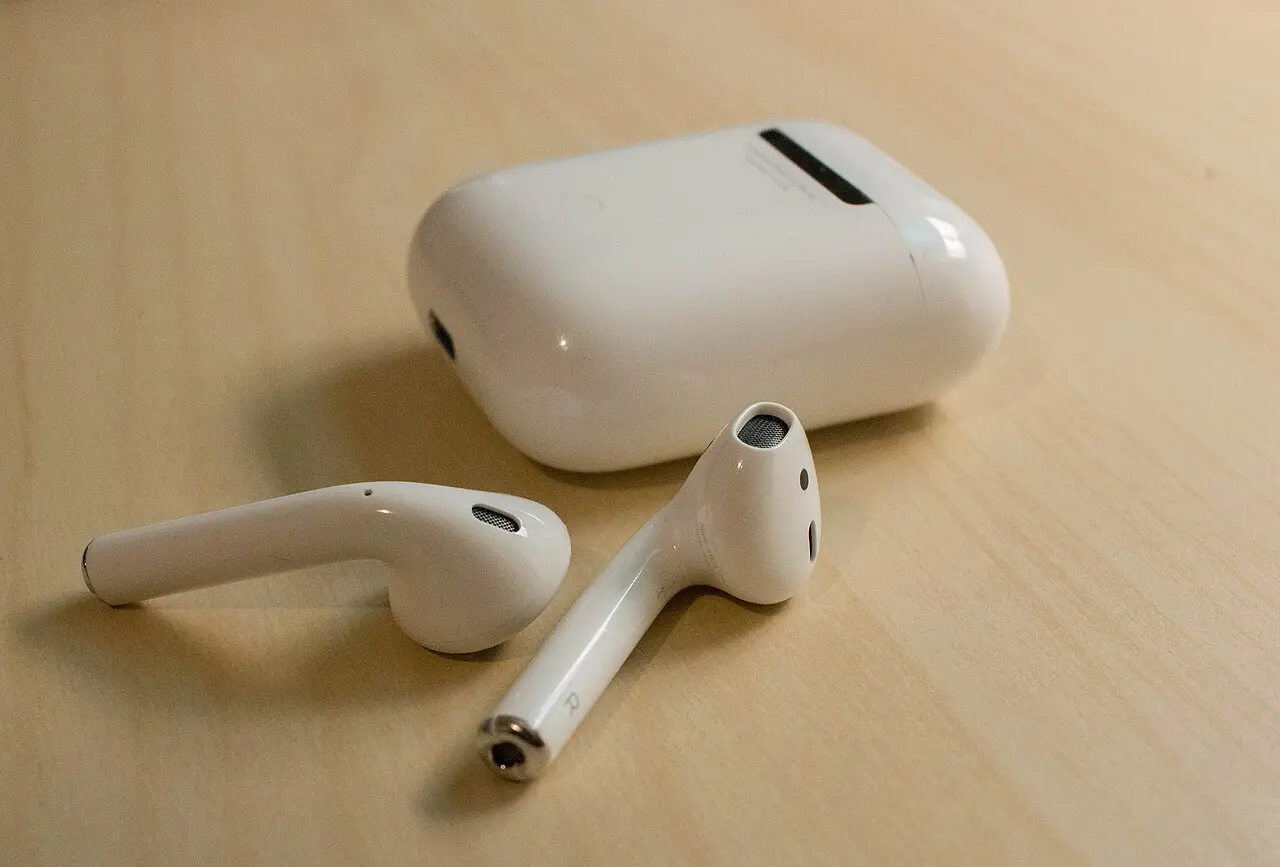
2020s
Every 2020s entry here is an iPhone, yet several of the largest shifts came from outside the handset: the 5G network, the EU's Common Charger Directive, and generative AI. The notch shrank on the 13 and, on the 14 Pro, became a display region the OS could resize. MagSafe came back as a magnetic charging and mounting system, and the port changed from Lightning to USB-C because EU law required it. The iPhone 16 was sold on on-device AI that was absent at launch; Japanese support followed the next year, and the more personal Siri missed the generation. The gap between announcement and shipment is what the decade leaves open.
- EVT.030T1iPhone 12 — 5G, MagSafe and a Launch in Two WavesA History of the iPhoneRead more →
- EVT.031T1iPhone 13 — Smaller Notch, ProMotionA History of the iPhoneRead more →
- EVT.032T1iPhone 14 Pro and Dynamic IslandA History of the iPhoneRead more →
- EVT.033T1iPhone 15 — The Move to USB-CA History of the iPhoneRead more →
- EVT.034T1iPhone 16 and Apple IntelligenceA History of the iPhoneA History of Artificial IntelligenceRead more →