T1#market#regulation#energy
The 2026 US Midterms and Data Centres — Limits Win 40 of 41 Ballot Measures, and AI Stocks Fall
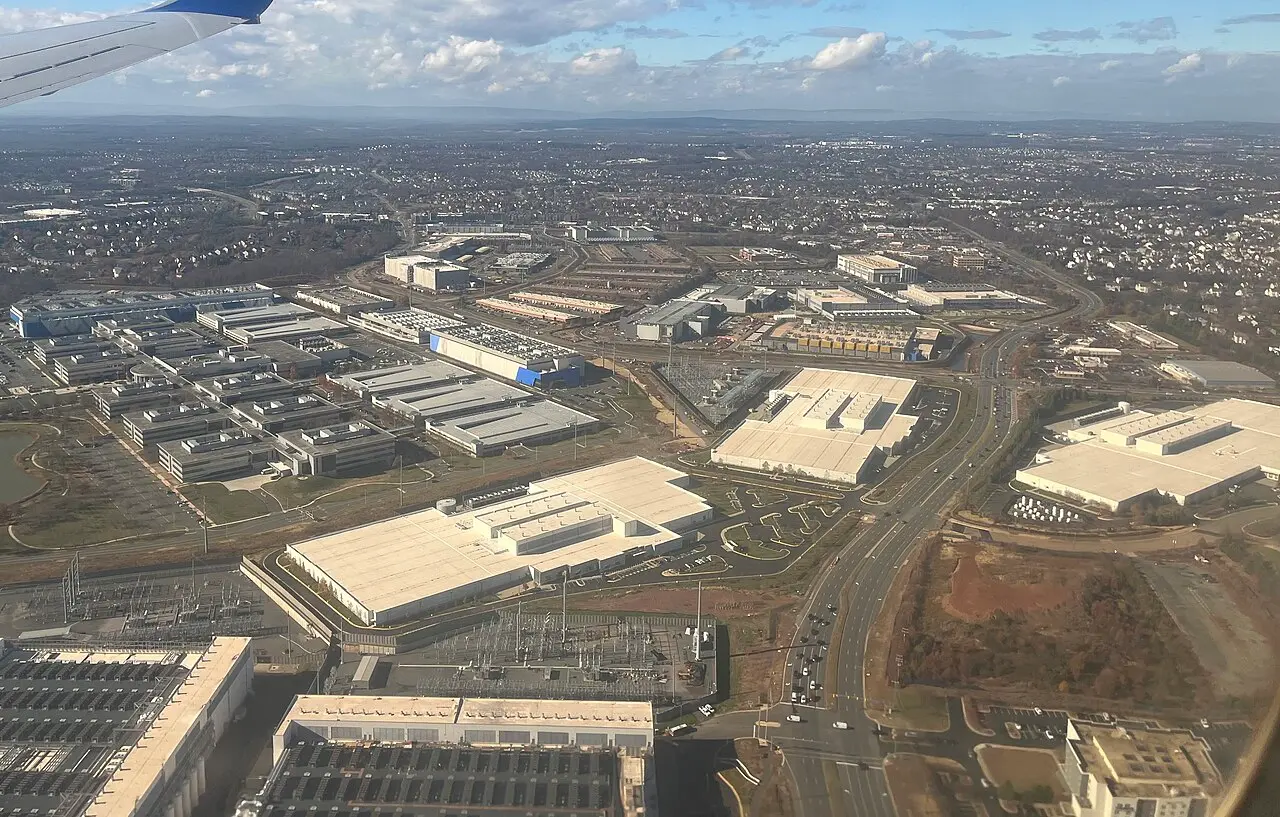
Metadata
- Date
- Decade
- 2020s
- Tier
- T1
- Sources
- 12
- Connections
- 03
- Tags
- #market#regulation#energy
On 3 November 2026, the day of the US midterm elections, data centres were not only an issue candidates talked about: in 41 local ballot measures across ten states they were the question on the ballot itself. According to Ballotpedia, the side favouring limits on data-centre development won 40 of the 41 contests. Two days later Wall Street had its worst day since April 2025, as investors weighed what the results meant for the build-out of AI computing capacity.
40 / 41
Local measures won by the side favouring limits
Ten states; the exception was Harwood, North Dakota (Ballotpedia)
21measures
In Ohio alone
More than half of the total (CNBC)
56%
Voters calling data centres a crucial or major factor
CNBC Voter Poll
−5.52%
Nasdaq Composite, 5 November
Closed at 24,315.00 (CNBC)
What Was on the Ballot
Ballotpedia counted 27 measures that limited data-centre development or expressed opposition to it, and all 27 passed. Another 13 would have favoured development or expressed support for it, and all 13 were defeated. The lone result the other way came from Harwood, North Dakota, a town of fewer than 800 people according to Al Jazeera, where voters defeated a proposed review requirement for certain developments, including data centres.
| Result | Measures | Where |
|---|---|---|
| Full bans approved | 5 | California 1, Florida 1, Ohio 3 |
| Partial bans approved | 12 | Kansas 3, Maine 1, Ohio 8 |
| Six-month moratoriums approved | 3 | Maine |
| Other limits approved | 7 | Zoning, voter-approval and financial-guarantee measures in Ohio and Wisconsin; two non-binding measures in Illinois |
| Pro-development measures defeated | 13 | Including four rezonings in Wilmington, Ohio, and measures in Illinois, New Jersey and Nevada |
| Measure favouring limits defeated | 1 | Harwood, North Dakota |
The trend did not begin on election day. Ballotpedia noted that voters had decided six local data-centre measures earlier in 2026 and had favoured limits in all six; two more measures in Clarksville, Arkansas, and one in Mandan, North Dakota, were due in December. Al Jazeera, relying on a separate tracker run by Redbud Consulting, reached the same picture of 41 measures and a single exception.
Ohio, Texas and the Top of the Ticket
Ohio accounted for more than half of the measures. It is also where OpenAI announced on 17 August 2026 that it had agreed to secure about 8 gigawatts of IT capacity at the PORTS-Pike Technology Campus in Pike County, working with SB Energy, Nvidia and the US Department of Energy. CNBC called it the largest planned AI data-centre campus in the world, with capacity expected to come online in phases from 2028.
The same voters changed who would govern the state. Democrat Amy Acton defeated Republican Vivek Ramaswamy for governor; CNBC reported that she supports a "conditional moratorium" on data centres to ensure they cover the full cost of the utilities they use. In the Senate race Sherrod Brown ousted Jon Husted, whom, according to Al Jazeera, he had attacked over his support for data-centre development. In Texas, Gina Hinojosa unseated Governor Greg Abbott after blaming him for the rapid build-out of data centres across the state; Al Jazeera reported that she had called for a moratorium on new approvals.
In a CNBC Voter Poll, 56% of voters said data centres were a crucial or major factor in their decision, with Democrats ranking the issue higher than Republicans. CNBC also reported that Elon Musk, the cycle's largest individual donor, spent at least $474 million, nearly half of it in Texas, and lost both of the state's marquee races. Al Jazeera pointed to the costs voters see directly: a 2026 working paper from the Federal Reserve Bank of Dallas estimated that data centres had raised wholesale electricity prices by 6.9%.
"The revolt against data centers was one of the top issues of the 2026 election."
The Market Reads the Result
The first reaction was not a sell-off. CNBC described a massive post-election rally on Wednesday 4 November, while stocks tied to chips and data centres began to slide. On Thursday the selling broadened. CNBC reported that investors were moving away from technology on fears that a Democratic sweep of both chambers of Congress, together with wins in key governor races, could slow the data-centre build-out; it noted that Senator Bernie Sanders had called for a national data-centre moratorium.
From the vote to the sell-off (2026)
3 November
Election day
Voters decide 41 local data-centre measures in ten states.
4 November
Post-election rally, chips slip
The broad US market rallies; stocks linked to chips and data centres fall for the first of two days.
5 November
Worst US day since April 2025
In Seoul the KOSPI closes 5.28% lower. In New York the Nasdaq Composite falls 5.52% to 24,315.00 and into correction territory, the S&P 500 falls 4.36% and the Dow 1,833.06 points (3.44%). The iShares Semiconductor ETF falls more than 12%, its worst day since March 2020; Broadcom drops 10% and Nvidia 9%.
6 November, 09:03 KST
Circuit breaker in Seoul
The KOSPI falls more than 8% within three minutes of the open and trading is halted, the 11th circuit breaker of 2026. It closes down 6.02% at 5,059.69.
6 November, Tokyo
Nikkei down 3,643 yen
The Nikkei 225 closes 3,643.13 yen lower at 57,434.77, the third-largest points drop on record.
6 November, New York
A partial rebound
Nvidia gains about 4% in early trading but is still down 6.8% over five days, according to Al Jazeera.
The selling in Seoul was heaviest in chip stocks. According to the Hankook Ilbo, SK Hynix closed 10.44% lower and Samsung Electronics 6.35% lower on 6 November, while foreign investors sold a net 2.74 trillion won of Korean shares. The Korean market reports attributed the slide to worries that the US results could bring tighter rules on data-centre construction, after the 12.25% fall in the Philadelphia Semiconductor Index the night before.
Europe the Same Week
On Friday 6 November protesters entered the Amsterdam construction site of a data-centre campus that DutchNews described as a €1 billion, 78 MW project built by Pure DC and let in full to Microsoft; some climbed cranes. The action had been organised by the group Geef Tegengas. Dutch police said that evening that they had detained 150 to 200 people suspected of trespassing, the Associated Press reported. According to AP, organisers said dozens of groups would join "Stop Dirty Data Centres" events on 6 and 7 November in 15 European countries, calling for a moratorium on large-scale data-centre development; AP reported about 100 people protesting in front of the parliament in Warsaw. AP noted that the protests came days after the US midterms, without describing them as a consequence of the vote.
Where It Fits
For two years the argument over the AI bubble had been about valuations, circular deals and whether the spending would pay back. The IEA's estimates had put the electricity demand of data centres on the table, and projects such as Stargate had made the scale concrete. The November 2026 vote added another constraint: local consent. Whether the elected officials follow through with moratoriums, and how much of the planned capacity is affected, had not been settled by 9 November 2026.
For related events, see the AI and society timeline and the AI timeline.
Questions this page answers
- What happened to the data-centre ballot measures in the 2026 midterms?
- According to Ballotpedia, the side favouring limits on data-centre development won 40 of the 41 local measures decided in ten states on 3 November: 27 restrictive measures passed and 13 measures that would have favoured development were defeated. The exception was Harwood, North Dakota, where voters defeated a review requirement for developments including data centres.
- Why did AI stocks fall after the election?
- CNBC reported that investors moved away from technology stocks on fears that the Democratic sweep of both chambers of Congress and key governorships could slow the data-centre build-out. On 5 November the Nasdaq Composite fell 5.52% and the iShares Semiconductor ETF more than 12%, its worst day since March 2020.
- How did Asian markets react?
- On 6 November South Korea's KOSPI fell more than 8% within minutes of the open, triggering a circuit breaker for the 11th time that year, and closed 6.02% lower at 5,059.69. Tokyo's Nikkei 225 closed 3,643.13 yen lower at 57,434.77.
Sources
Breakdown of the 41 results, the six earlier measures and the three still due in December
Ten states and Ohio's 21 measures, the CNBC voter poll, PORTS-Pike, governor races and Rep. Casar's remarks
Last updated: