T1#market
Mac OS X 10.0 Released
Metadata
- Date
- Decade
- 2000s
- Tier
- T1
- Timelines
- A History of Operating Systems
- Sources
- 10
- Connections
- 04
- Tags
- #market
The first full release of Mac OS X, Mac OS X 10.0, went on sale on Saturday 24 March 2001. Apple announced on 21 March that customers could buy it in retail stores around the world from that day, and it went on sale in Japan the same day at a suggested retail price of ¥14,800 before tax. The US price was US$129. A single CD carried seven languages: English, Japanese, French, German, Spanish, Italian and Dutch.
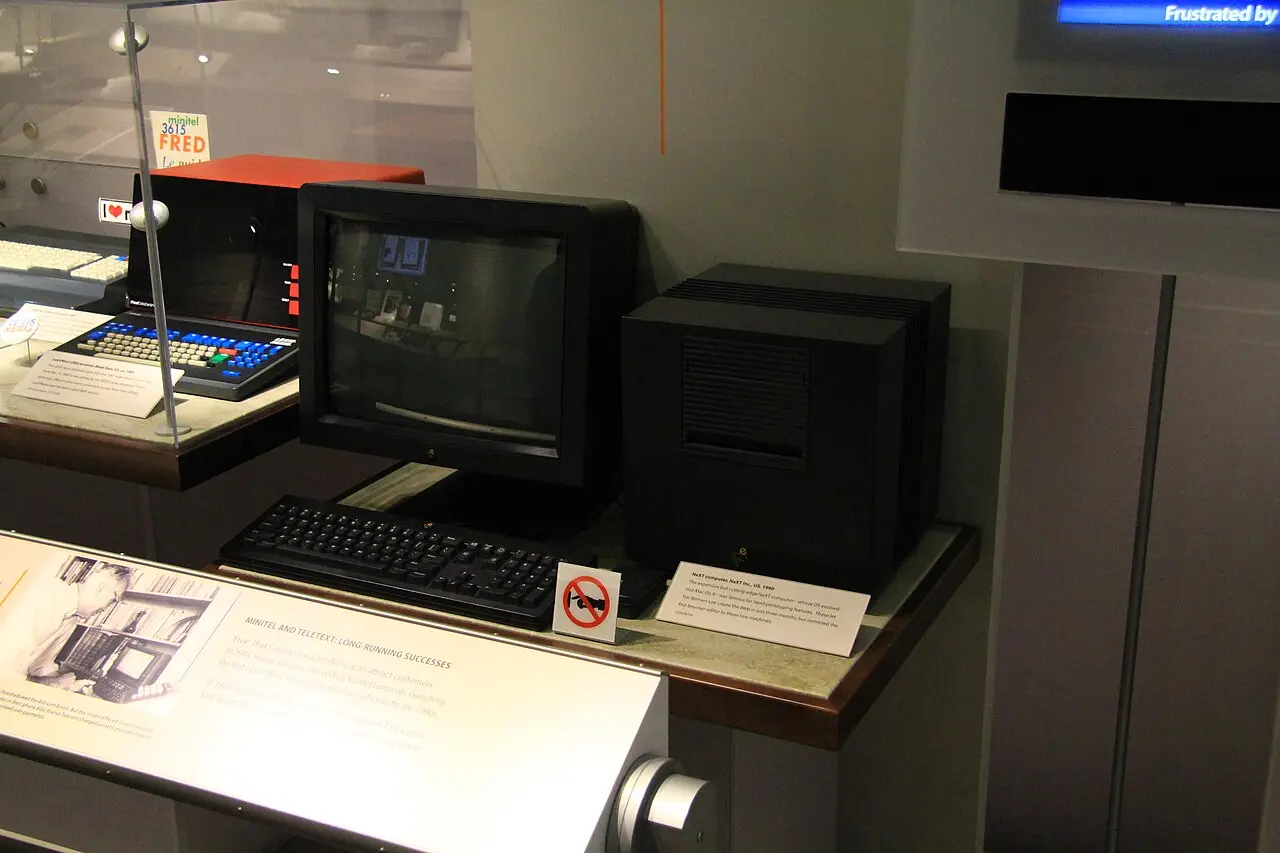
Mac OS X was a rebuild of the Mac operating system that had descended from the original Macintosh of 1984. Its foundation came from NeXT: an open-source, UNIX-based core called Darwin, with a new interface called Aqua on top. Today's macOS is the direct continuation of that 10.0 release.
From announcement to release
| Date | Event |
|---|---|
| 20 Dec 1996 | Apple announces it will acquire NeXT Software, for about US$400 million |
| 7 Feb 1997 | The NeXT acquisition is completed |
| 5 Jan 2000 | Steve Jobs unveils Mac OS X and Aqua at Macworld Expo |
| 13 Sep 2000 | Public Beta goes on sale at US$29.95 |
| Jan 2001 | The 24 March ship date is announced (in Japan on 12 January) |
| 24 Mar 2001 | Mac OS X 10.0 goes on sale, Japan included |
| 29 Sep 2001 | The first major upgrade, 10.1, reaches stores, free to existing users |
When Apple unveiled Mac OS X in January 2000, it said the system would be commercially released that summer. Instead the Public Beta came out in September, and the final release followed the next March — more than six months later than first promised.
A foundation from NeXT
Mac OS X rested on technology built outside Apple. On 20 December 1996 Apple announced the friendly acquisition of NeXT Software for US$400 million. The announcement said that Steve Jobs, NeXT's chairman and CEO, would return to Apple, the company he had co-founded in 1976, and it described NeXT's strengths as development software and operating environments for the enterprise and internet markets. The deal closed on 7 February 1997, and Apple said it was moving forward with an operating-system strategy incorporating NeXT technology.
Jobs had left Apple in 1985 and led NeXT in the years between. Mac OS X took the operating-system technology developed there and made it the foundation of a new system for the Mac.
Apple's launch release described Mac OS X as combining the power and openness of UNIX with the legendary ease of use and broad applications base of the Macintosh.
What was in Mac OS X 10.0
| Layer | Contents |
|---|---|
| Core | Darwin, an open-source UNIX-based foundation, with memory protection, preemptive multitasking and symmetric multiprocessing on dual-processor Power Mac G4 systems |
| Graphics | The Quartz 2D engine based on PDF, OpenGL for 3D, QuickTime |
| Interface | Aqua, with the Dock for organising documents and windows |
| Compatibility | The Classic environment for older applications; a full copy of Mac OS 9.1 in the box |
| Other | Dynamic memory management, PDF output, BSD UNIX services (shells, Perl, FTP), Apache, Kerberos, Java 2 Standard Edition |
The change in the kernel showed up in everyday use. Among the new features Apple listed was dynamic memory management, which ended "out of memory" messages and the need to adjust each application's memory allocation by hand. Apple also stressed true memory protection, which kept each application's process from corrupting another's memory.
For Japanese users, Apple claimed the highest-quality Japanese fonts available, in the largest character set ever on a personal computer.
It required at least 128MB of memory and ran on the iMac, iBook, Power Macintosh G3, Power Mac G4, Power Mac G4 Cube and any PowerBook introduced after May 1998.
The Public Beta
Before the final release, on 13 September 2000, Apple released the Mac OS X Public Beta at Apple Expo in Paris. It cost US$29.95 and was sold in English, French and German from Apple's online store. In its launch release Apple said it had shipped more than 100,000 copies of the Public Beta and received more than 75,000 pieces of feedback from users and developers worldwide, which shaped several improvements.
After 10.0
Version 10.0 was a young system. More than 350 applications for Mac OS X were shipping on launch day, with Apple promising hundreds more by summer. Apple itself released Mac OS X versions of iMovie 2 and iTunes and a preview of AppleWorks 6.1 as free downloads the same day.
Six months later, on 25 September 2001, Apple announced Mac OS X 10.1, the first major upgrade, for sale that weekend. Existing Mac OS X users could get a free upgrade kit until the end of October. In the release Jobs called it a stunning upgrade, only six months after Mac OS X first shipped.
What followed
Darwin, the core of Mac OS X, is still at the heart of Apple's operating systems. Wikipedia describes it as the core Unix-like operating system of macOS, iOS, watchOS, tvOS, iPadOS and visionOS, among others, combining code from NeXTSTEP, FreeBSD and other BSD systems, and Mach. The operating system of the iPhone, starting with the original iPhone of 2007, belongs to the same line.
For the Mac that came before, see the launch of the Macintosh; for the bigger picture, the operating systems timeline; for the company, Apple.
Questions this page answers
- When was Mac OS X released?
- The first release, Mac OS X 10.0, went on sale on Saturday 24 March 2001. Apple said it would be in stores around the world from that day, and it went on sale in Japan the same day at ¥14,800 before tax. The US price was US$129.
- What was Mac OS X built on?
- An open-source, UNIX-based foundation called Darwin, which combines code from NeXTSTEP, FreeBSD and other BSD systems, and Mach. On top of it Mac OS X offered memory protection, preemptive multitasking and symmetric multiprocessing on dual-processor Power Mac G4 systems.
- Was there a version of Mac OS X before 10.0?
- Yes. It was unveiled at Macworld Expo on 5 January 2000, and a US$29.95 Public Beta followed on 13 September 2000. Apple said it shipped more than 100,000 copies and received over 75,000 pieces of user feedback.
- Could Mac OS X run older Mac software?
- Yes, through the Classic environment. The box included a full copy of Mac OS 9.1 for running Classic applications.
Sources
PrimaryMac OS X Hits Stores This Weekend — Apple Newsroom, Mar 21, 2001
Worldwide sale from 24 March, Darwin, Aqua and Quartz, US$129, seven languages, Mac OS 9.1 in the box, and Public Beta numbers
PrimaryMac OS X、今週末から販売開始 — Apple Newsroom(日本), 2001年3月22日
Sale in Japan from 24 March
Primaryアップル、Mac OS Xを3月24日(土)より販売開始 — Apple Newsroom(日本), 2001年1月12日
Japanese suggested retail price of ¥14,800 before tax
TertiaryMac OS X 10.0 — Wikipedia
Last updated: