Standard · 33 events
A History of Game Consoles and Game Technology
1950s
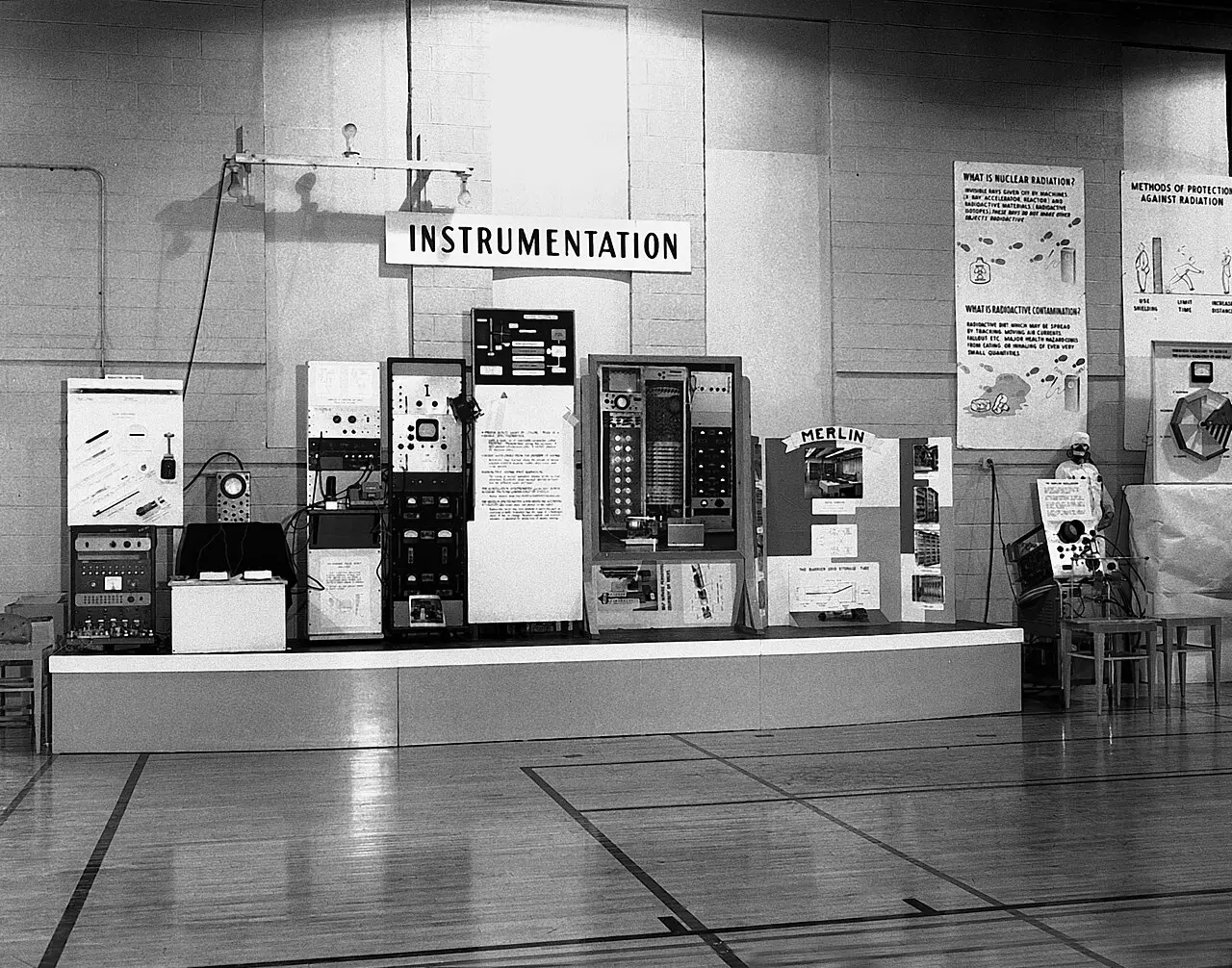
Brookhaven National Laboratory (Wikimedia Commons) · Public domain (PD-USGov) · Commons ↗ Brookhaven National Laboratory physicist William Higinbotham built a two-player tennis game for the lab's annual visitors' day, running on an analog computer with a five-inch oscilloscope for a display. It is among the earliest games to combine a computer, an on-screen picture and a purely entertaining purpose, but the title of 'first video game' is contested: the cathode-ray tube amusement device (filed 1947, patented 1948), Bertie the Brain (1950), Nimrod (1951) and OXO (1952) all precede it. Higinbotham never patented the game, and it was dismantled after a second showing in 1959. It came fourteen years before Atari's Pong (1972).
1970s
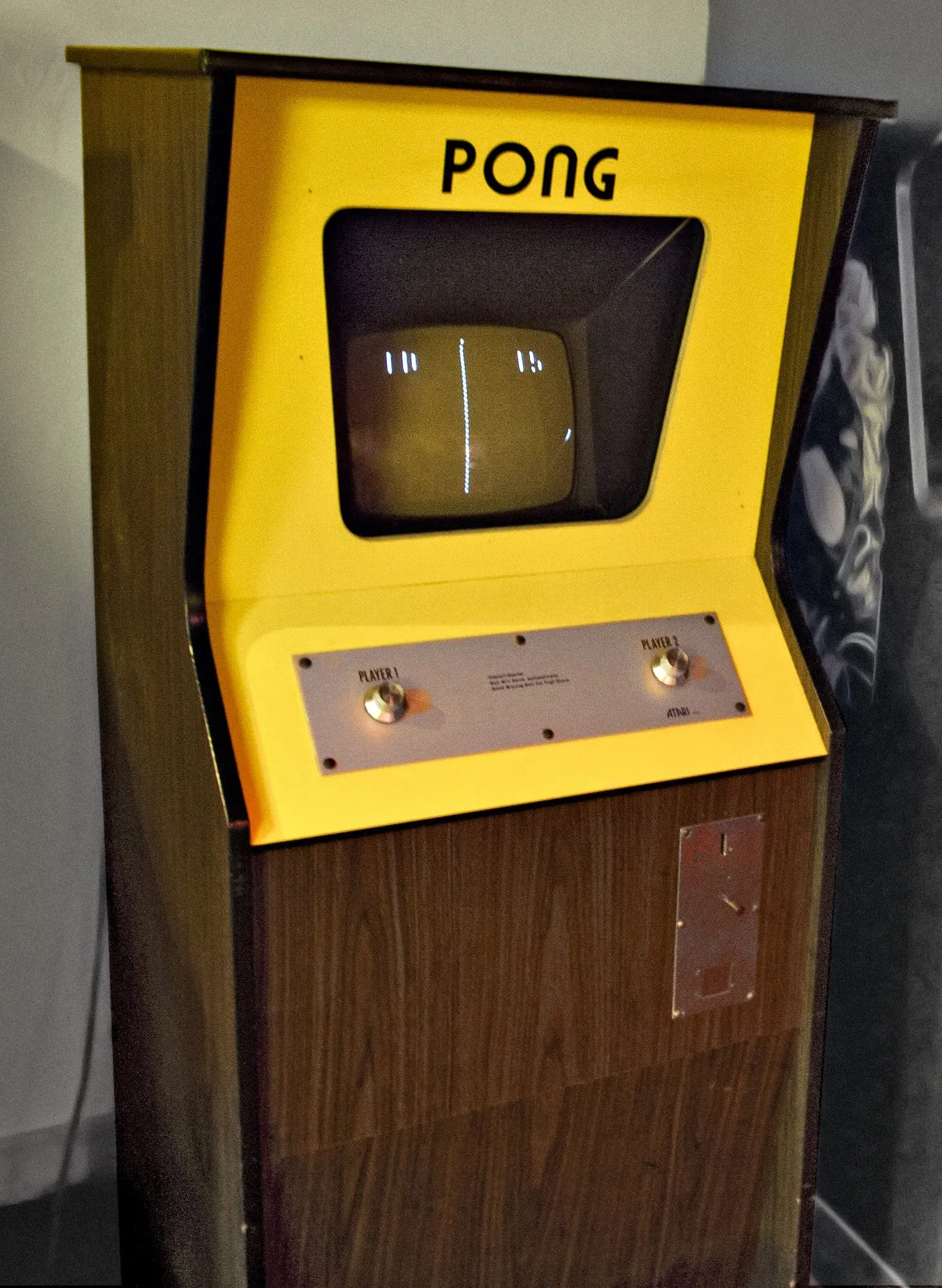
Rob Boudon; derivative work by Ubcule (Wikimedia Commons) · CC BY 2.0 · Commons ↗ A coin-operated table-tennis game that Atari's Nolan Bushnell handed to engineer Allan Alcorn as a practice project; Alcorn was told it was a home game for General Electric and later said it was just an exercise. In 1972 (sources differ between August and September) the prototype, a converted black-and-white TV and a coin box, went into Andy Capp's Tavern in Sunnyvale, California, where the bread pan that caught the coins sometimes overflowed. Atari announced the production game on 29 November 1972; it cost 25 cents a play, and the cabinets sold for $1,200 each. It was not the first video game, since Tennis for Two (1958) and the Magnavox Odyssey's tennis game came earlier, but it was the first big success that made video games a business. A home version followed through Sears in 1975. In Japan, Taito released Elepong, a copy of Pong, in July 1973.
1980s
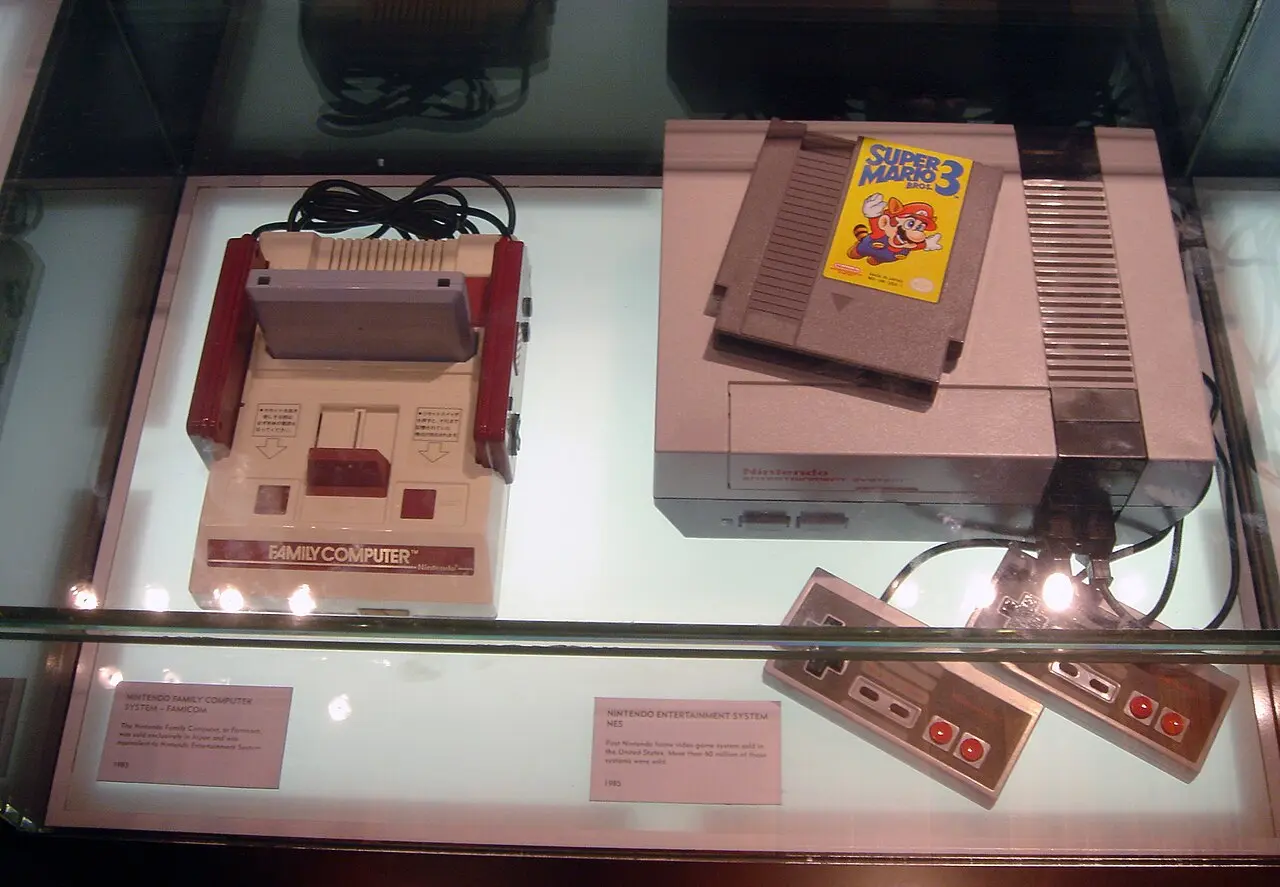
Russell Bernice (Wikimedia Commons) · CC BY 2.0 · Commons ↗ Nintendo released the Family Computer—the Famicom, model HVC-001—in Japan at ¥14,800, with three launch titles: Donkey Kong, Donkey Kong Jr. and Popeye. The same design reached North America as the Nintendo Entertainment System (NES), but that was a separate event: a New York test market in October 1985, Los Angeles in February 1986, and a full North American release on 27 September 1986. The NES arrived after the North American home video-game market had collapsed in 1983, the so-called video game crash. Famicom and NES together account for 61.91 million units of Nintendo's consolidated worldwide sales as of 30 June 2026.
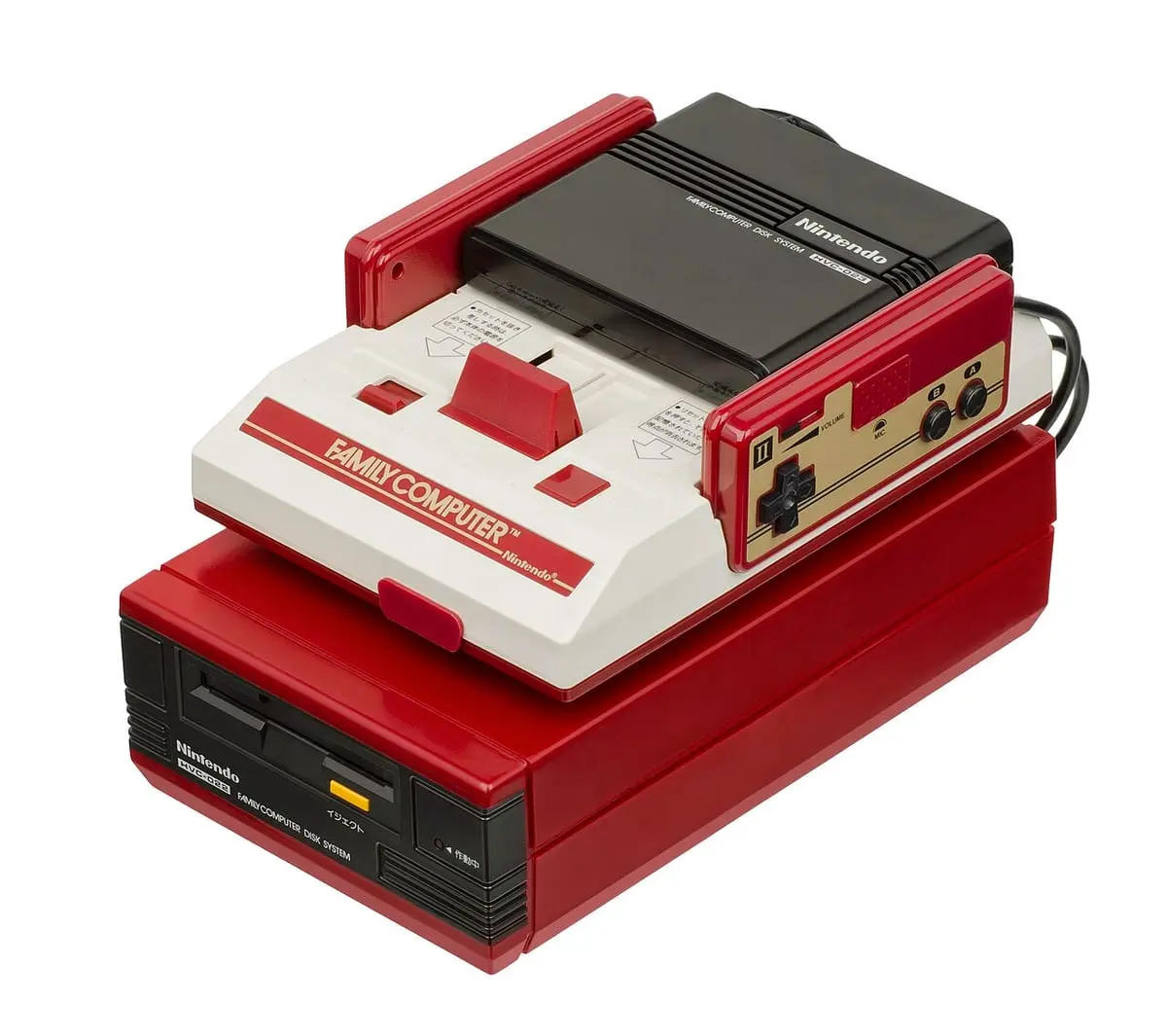
Evan-Amos · Public domain · Commons ↗ A Nintendo add-on for the Family Computer, released on 21 February 1986, the same day as The Legend of Zelda. It was made for Japan; no North American or European version followed. Games came on magnetic Disk Cards that held about three times as much as a ROM cartridge of the day and could save progress. At Disk Writer kiosks in toy shops, a card could be rewritten with another game for ¥500 (with some exceptions). Nintendo's own page does not give the hardware price; English and Japanese Wikipedia put it at ¥15,000. According to Nintendo, the rewriting service ended on 30 September 2003.
1990s
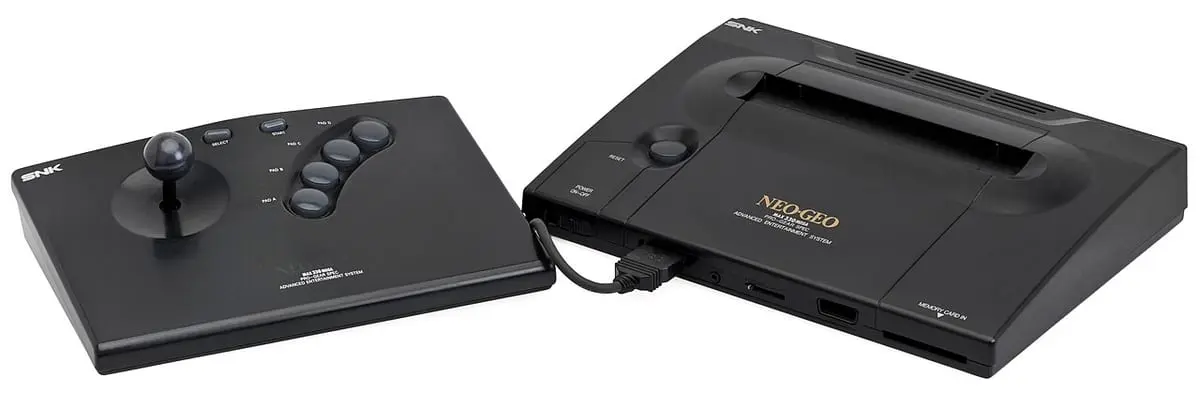
Evan-Amos · CC BY-SA 3.0 · Commons ↗ SNK's game system. According to SNK, April 1990 brought both MVS, an arcade board that let one cabinet swap between several games, and the NEO-GEO home console that played the same games. Japanese Wikipedia dates MVS to 16 April and the home unit, first offered for rental, to 26 April. According to Famitsu, general retail sale officially began on 1 July 1991, with prices revised at the same time: ¥48,800 for the console and ¥13,800 to ¥21,000 for games, depending on capacity. Japanese Wikipedia and GAME Watch put the earlier console price at ¥58,000. SNK says new software kept coming for 14 years, until 2004.
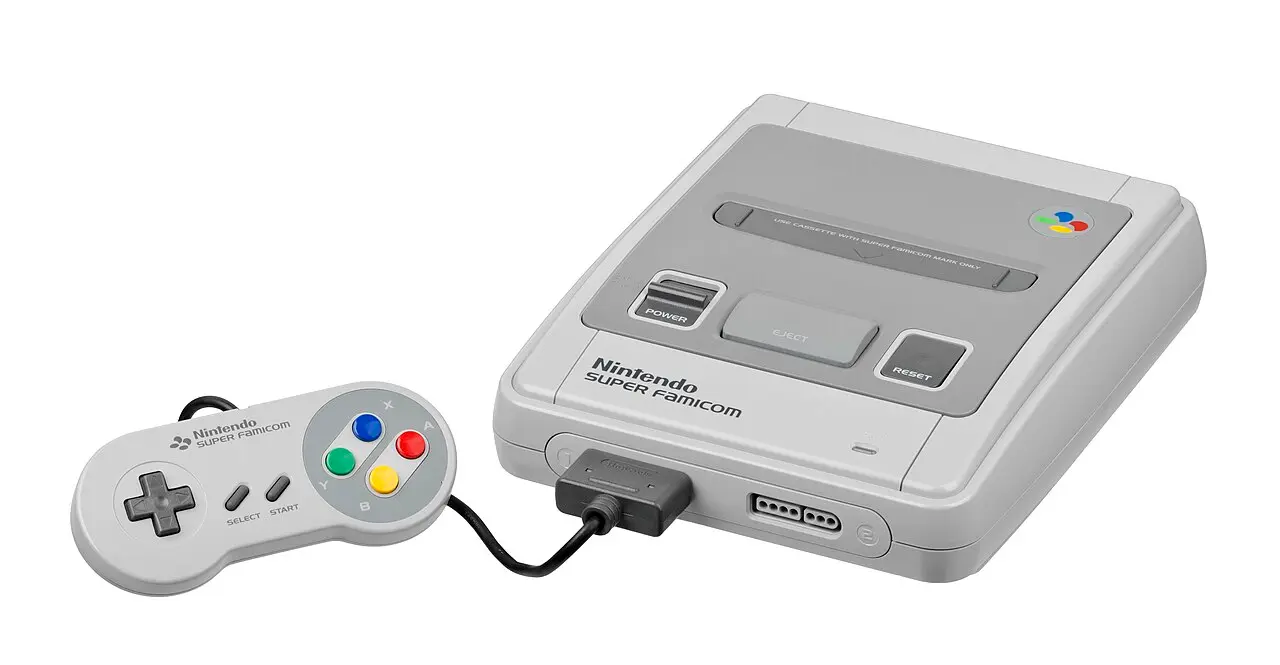
Evan-Amos · Public domain · Commons ↗ Nintendo's 16-bit successor to the Famicom, released in Japan on 21 November 1990 after a delay from a planned July 1989 launch, which Famitsu attributes to a semiconductor shortage among other reasons. Only two games launched with it: Super Mario World and F-Zero. It could scale and rotate images in hardware, and its controller added X, Y, L and R buttons, setting the basic shape of the gamepad from then on. In North America, as the Super Nintendo Entertainment System (SNES), it began reaching shops in late August 1991, with 9 September given as the official nationwide date; Europe followed in 1992. Nintendo IR puts lifetime hardware sales at 49.10 million worldwide (17.17 million in Japan, 23.35 million in the Americas) and software at 379.06 million.
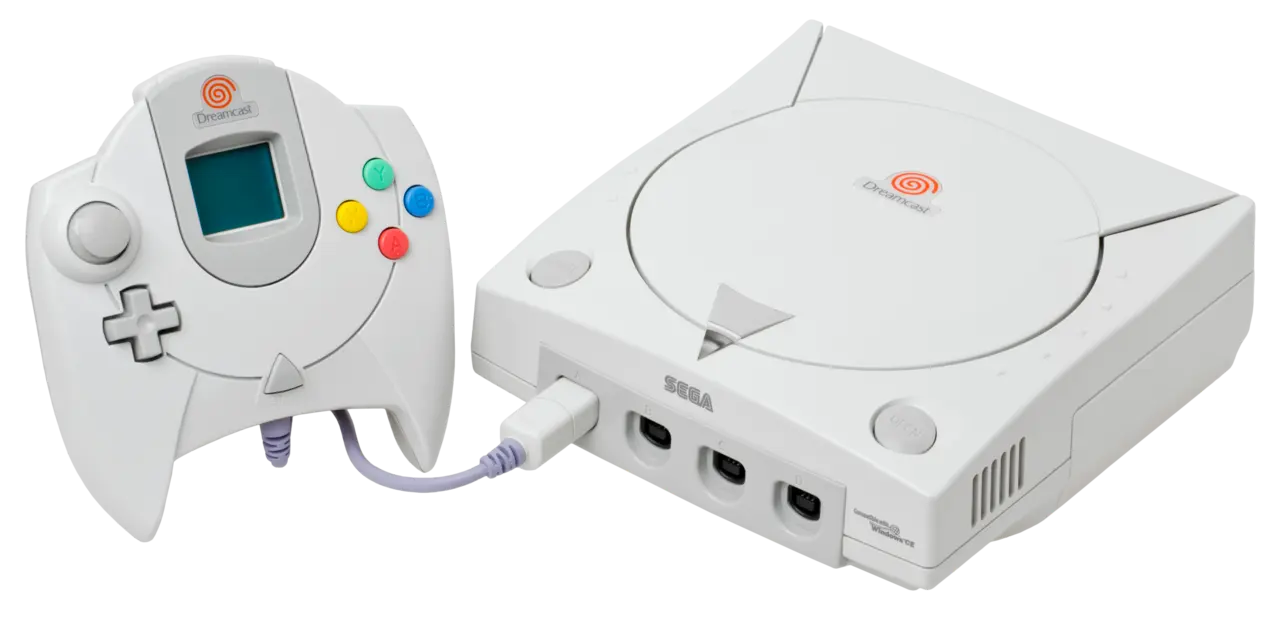
2000s
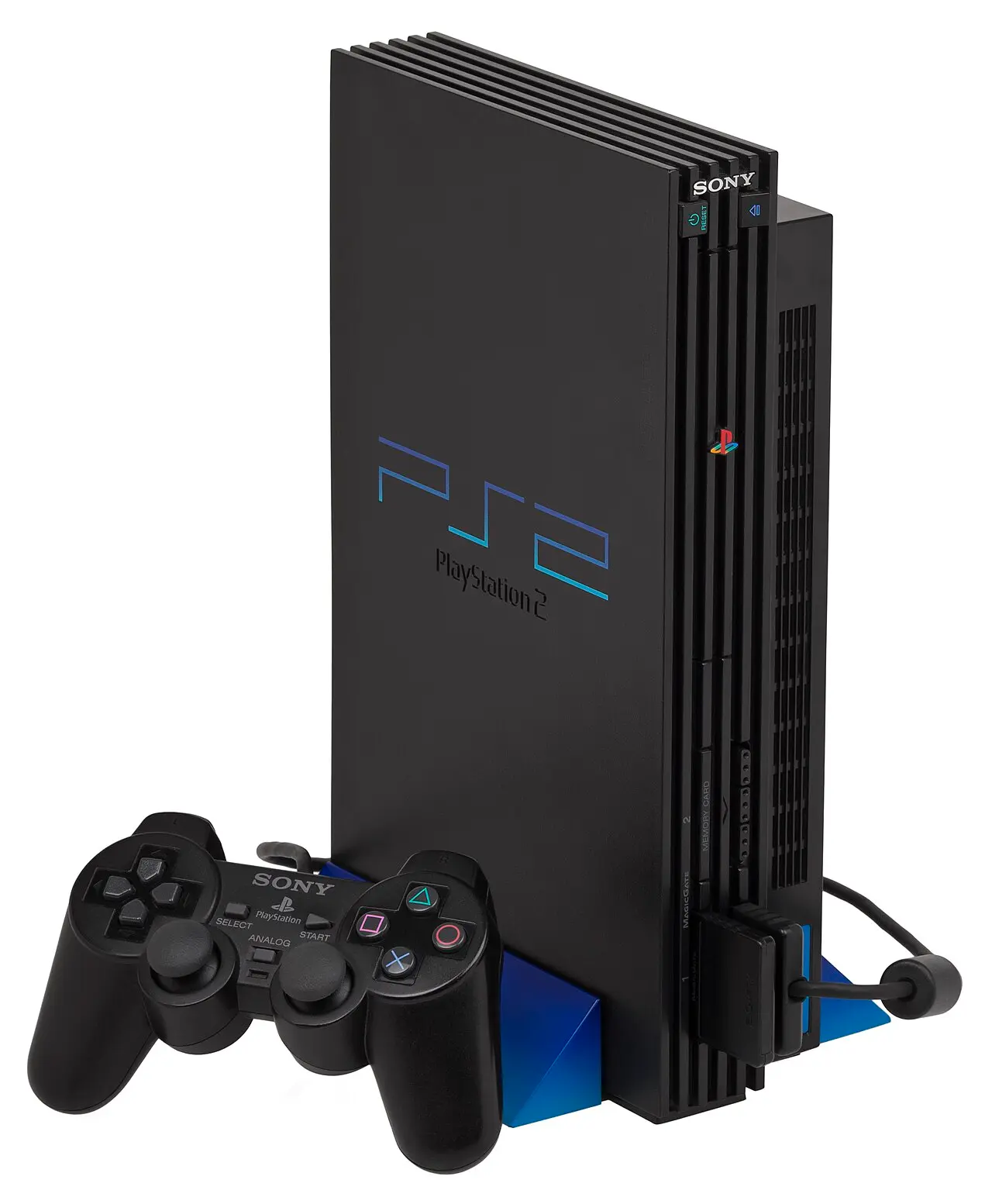
Evan-Amos · Public domain · Commons ↗ Sony Computer Entertainment's home console. It launched in Japan on 4 March 2000 at a standard price of ¥39,800, in North America on 26 October 2000 at US$299, and in Europe on 24 November 2000; the Japanese date and price had been announced on 13 September 1999. Built around the 128-bit Emotion Engine at 294.912 MHz with 32 MB of Direct RDRAM, it played original PlayStation discs and DVD-Video, at a time when a standalone DVD player was still expensive—so it was bought as an affordable DVD player as much as a games machine. A Network Adaptor brought it online in 2001, and the slim SCPH-70000, with a quarter of the internal volume, arrived in November 2004. Shipments in Japan ended on 28 December 2012, and SIE gives lifetime sales of more than 160 million units.
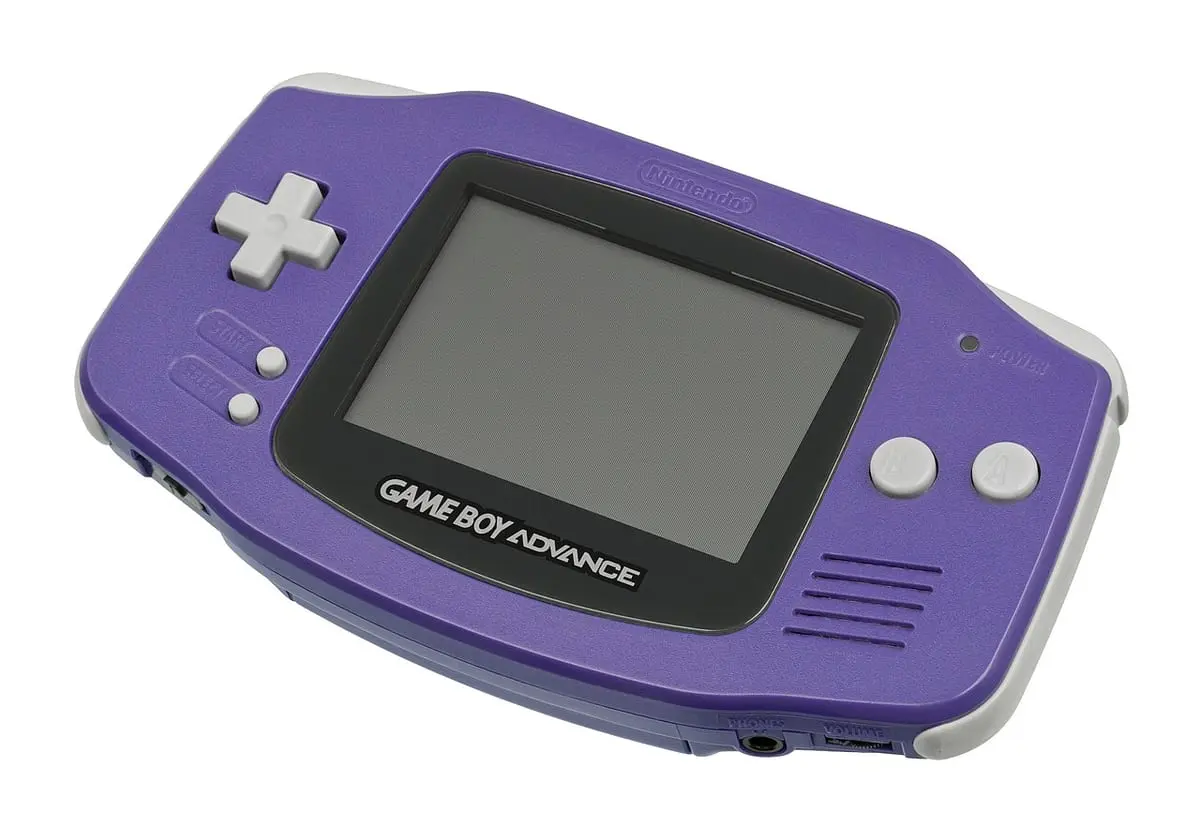
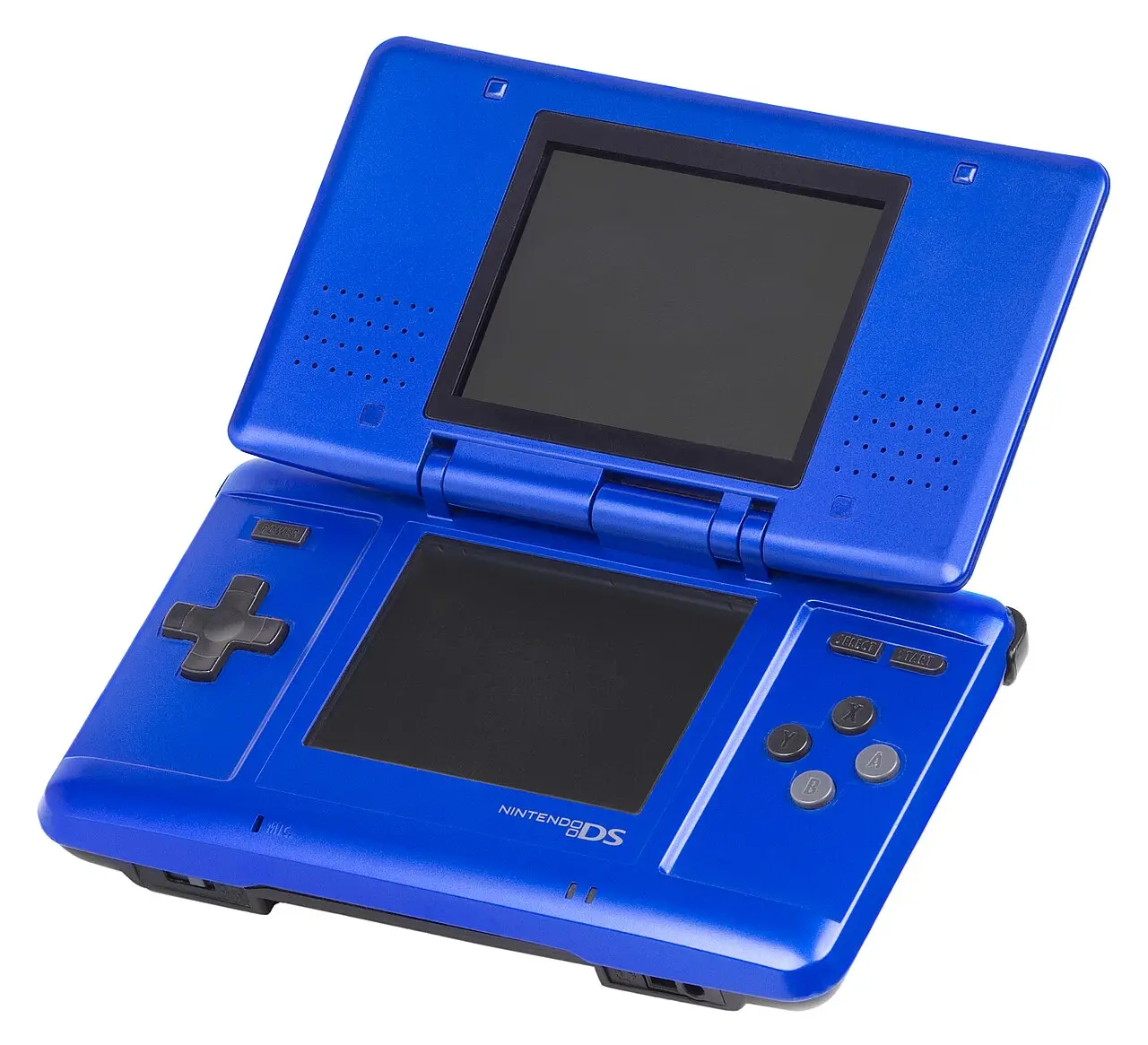
Evan-Amos · Public domain · Commons ↗ Nintendo's handheld and the successor to the Game Boy Color. It launched in Japan on 21 March 2001 at ¥9,800, in North America on 11 June ($99.99) and in Europe on 22 June. It took the 8-bit Game Boy to 32 bits, added a 2.9-inch reflective TFT colour screen about 1.5 times the size of the Game Boy Color's plus L and R buttons, and still played earlier Game Boy games. It also let up to four players share one cartridge over link cables. The folding Game Boy Advance SP, with a front light and a rechargeable battery, followed on 14 February 2003. Nintendo IR gives lifetime sales of 81.51 million consoles including the SP and other models, and 377.42 million games.
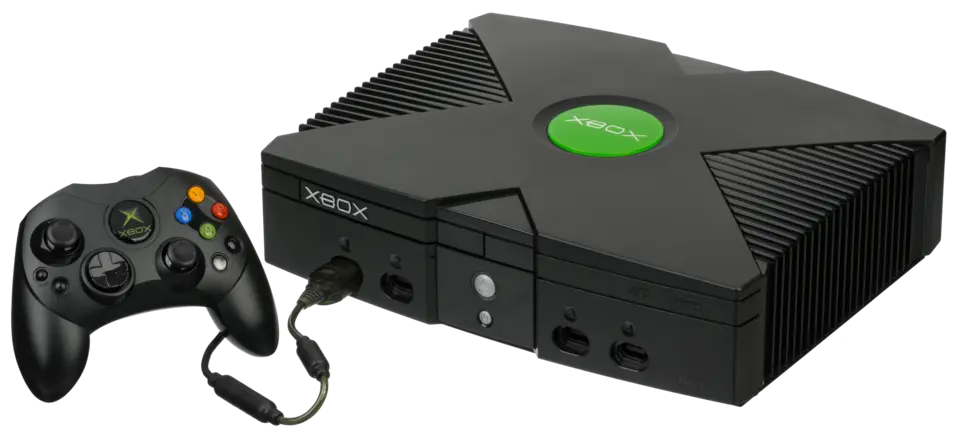
2010s
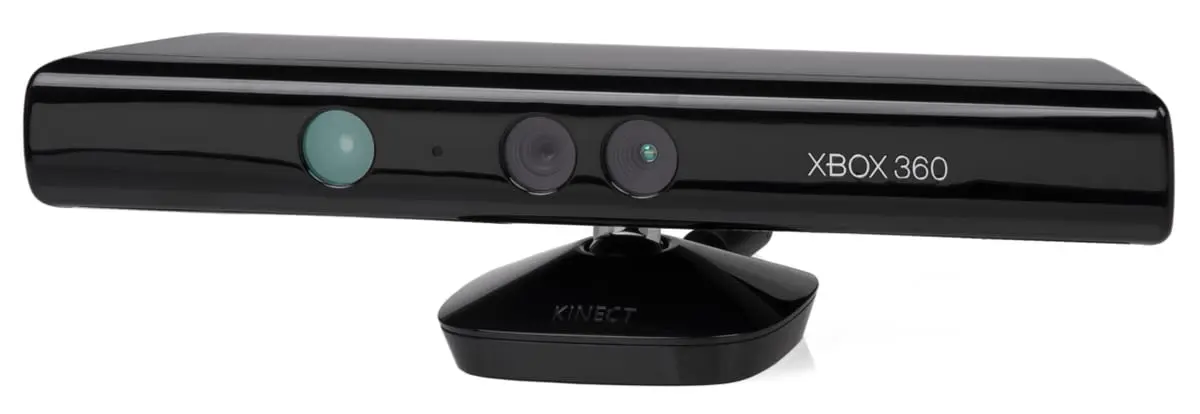
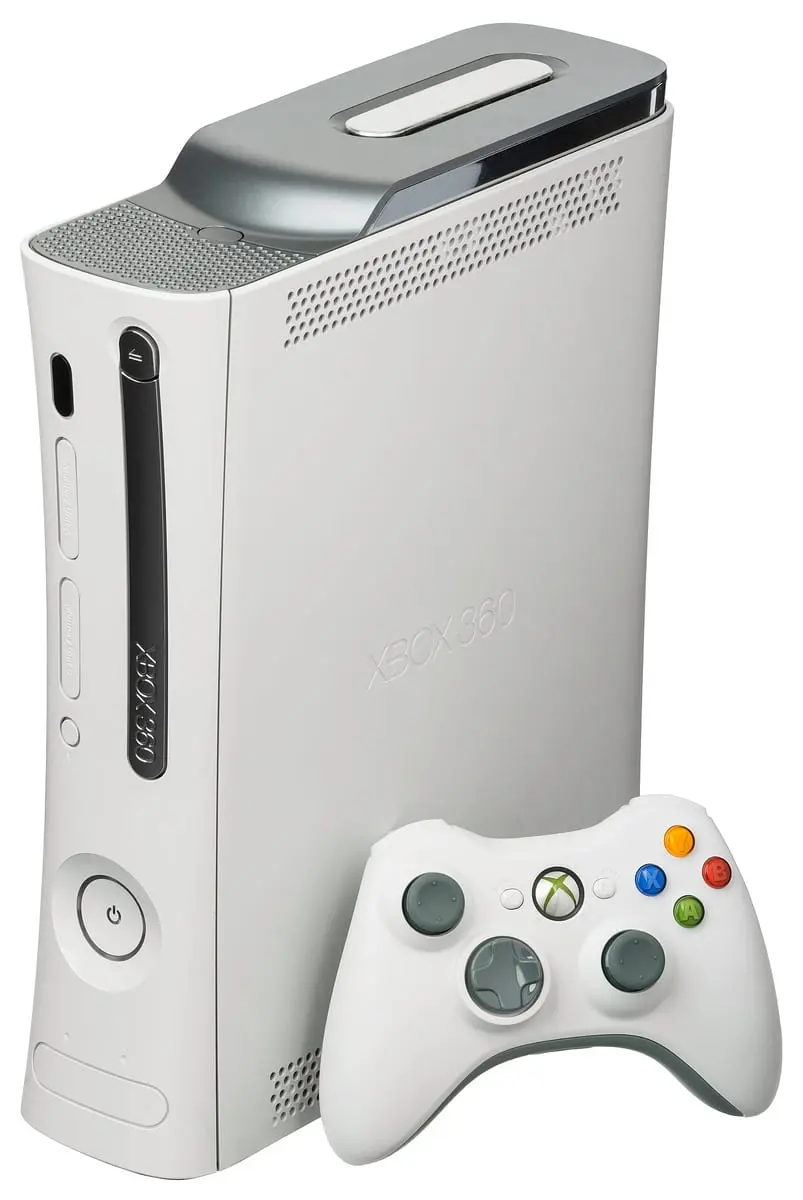
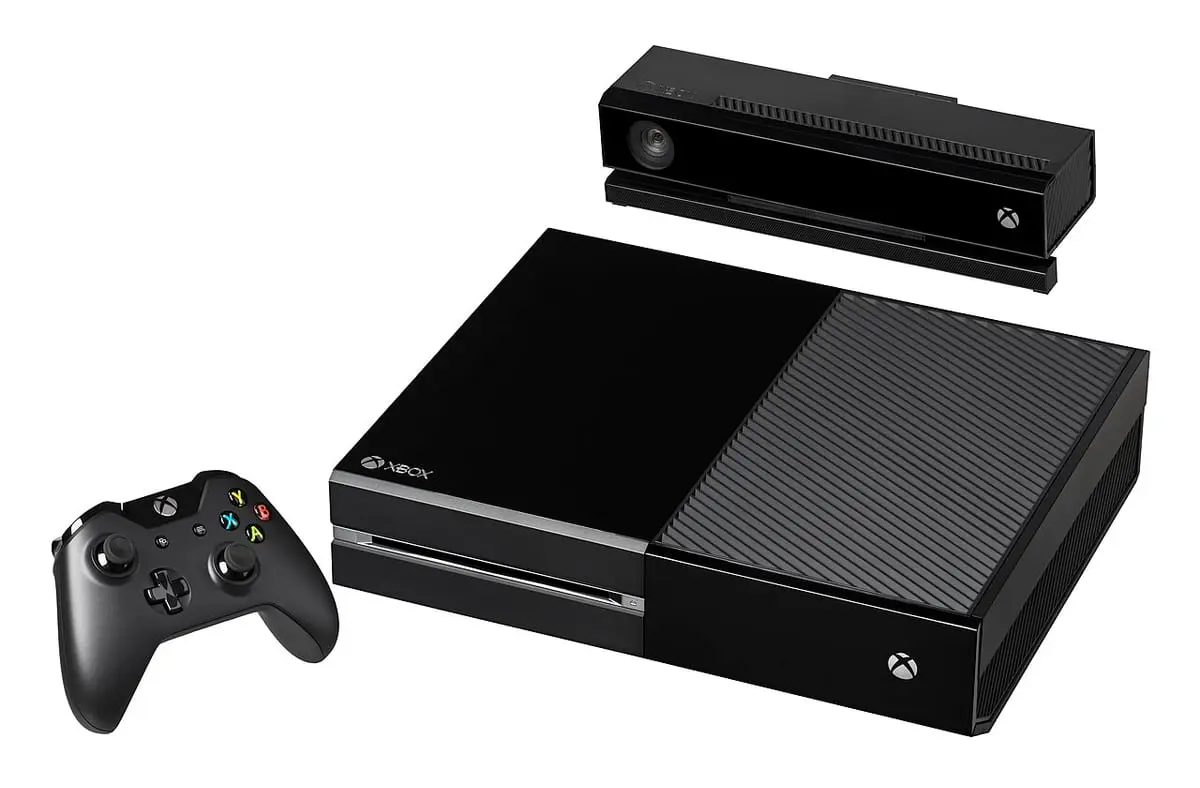
Evan-Amos · Public domain · Commons ↗ A sensor Microsoft released for the Xbox 360 that let players control games with their body and voice. It launched in North America on 4 November 2010 at $149.99, bundled with Kinect Adventures, and in Japan on 20 November at ¥14,800. Guinness World Records credits it with selling through an average of 133,333 units a day in its first 60 days, to 3 January 2011. Xbox One bundled it with every console in 2013, but a $399 version without Kinect arrived in June 2014, and manufacturing of Kinect for Xbox One ended in 2017, after about 35 million Kinect units in all, as reported. After Kinect for Windows and wide research use, the technology passed to the Azure Kinect DK, announced in 2019, which also ended production in 2023.
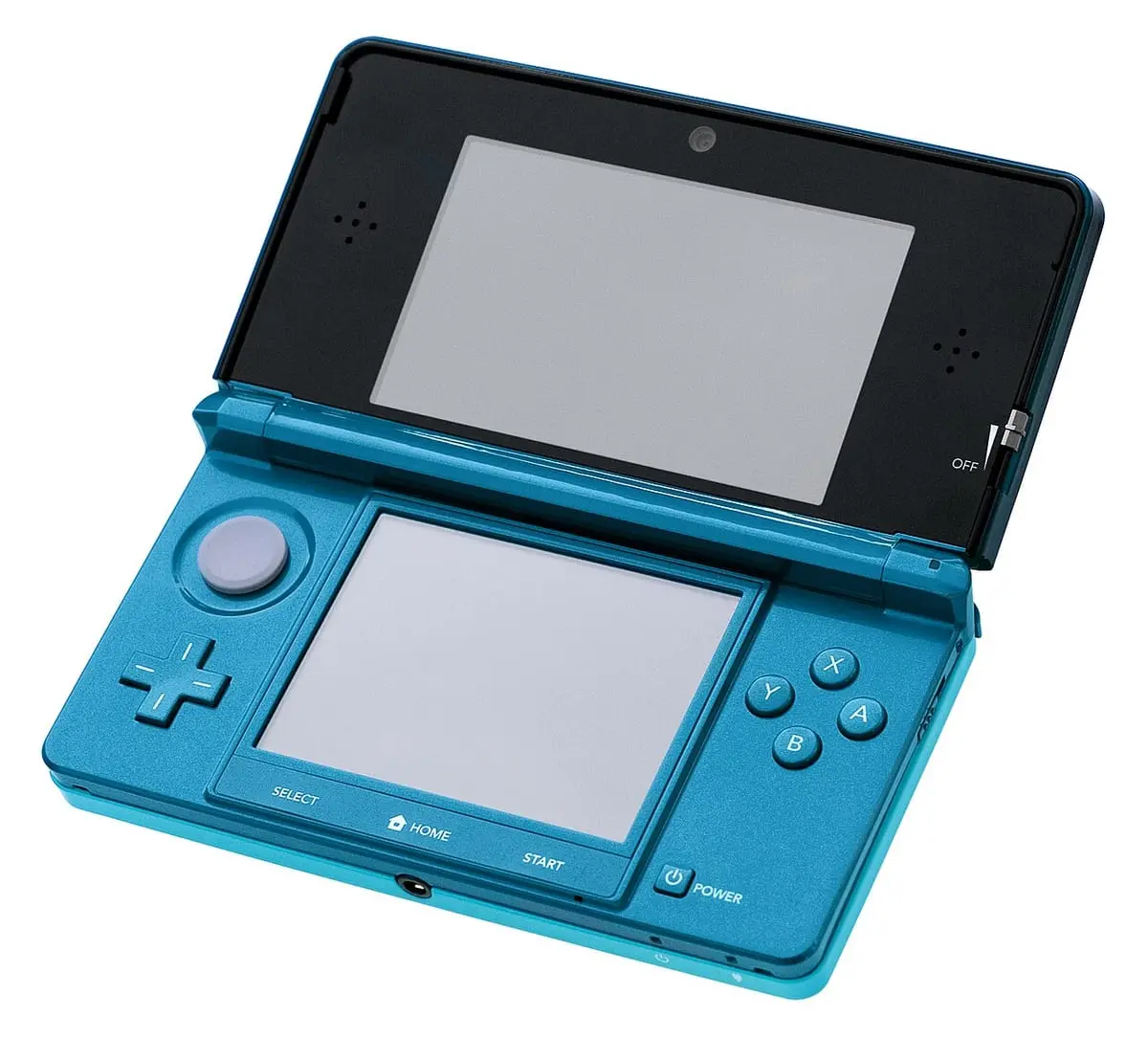
Evan-Amos · Public domain · Commons ↗ Nintendo's handheld and the successor to the DS. It launched in Japan on 26 February 2011 at ¥25,000 including tax, in Europe on 25 March and in North America on 27 March at $249.99. The upper screen, a 3.53-inch LCD, showed 3D images without special glasses, with a slider to adjust the effect. It added a Circle Pad, a gyro sensor, two outer cameras for 3D photos and StreetPass, and played DS games. To build momentum before the year-end season, Nintendo announced on 28 July 2011 that the Japanese price would fall to ¥15,000 from 11 August; in the US it fell to $169.99 from 12 August. Owners who bought before the cut were offered the Ambassador Program: twenty free NES and Game Boy Advance games. Nintendo IR gives lifetime sales of 75.94 million consoles, including later models.
2020s
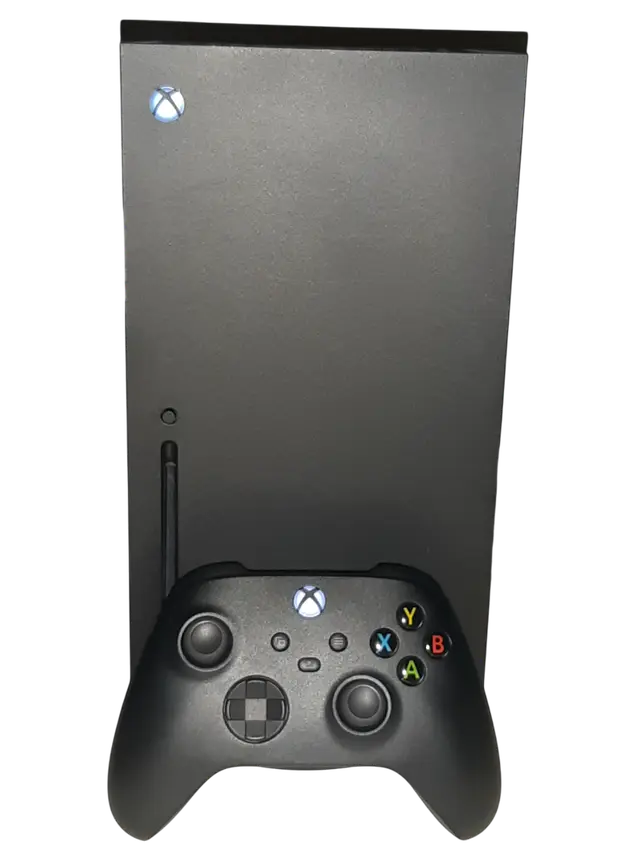
Der. Bellemer (Wikimedia Commons), background removed by L0Ldu82 · CC BY 4.0 · Commons ↗ Microsoft released the high-end Xbox Series X (US$499) and the all-digital Series S (US$299) simultaneously across 40 markets. Shipping one generation at two prices was not new; shipping two machines that differed in GPU class and target resolution was. Quick Resume, Smart Delivery, and four generations of backward compatibility surrounded the real strategy: the Game Pass subscription, locking players in by service rather than by box. After the Activision Blizzard acquisition (announced at US$68.7 billion in 2022, closed in 2023 at a total cost of US$75.4 billion), Microsoft pivoted in 2024 to shipping its own games on PS5 and Switch. In February 2026 Phil Spencer retired and Asha Sharma became CEO of Microsoft Gaming.
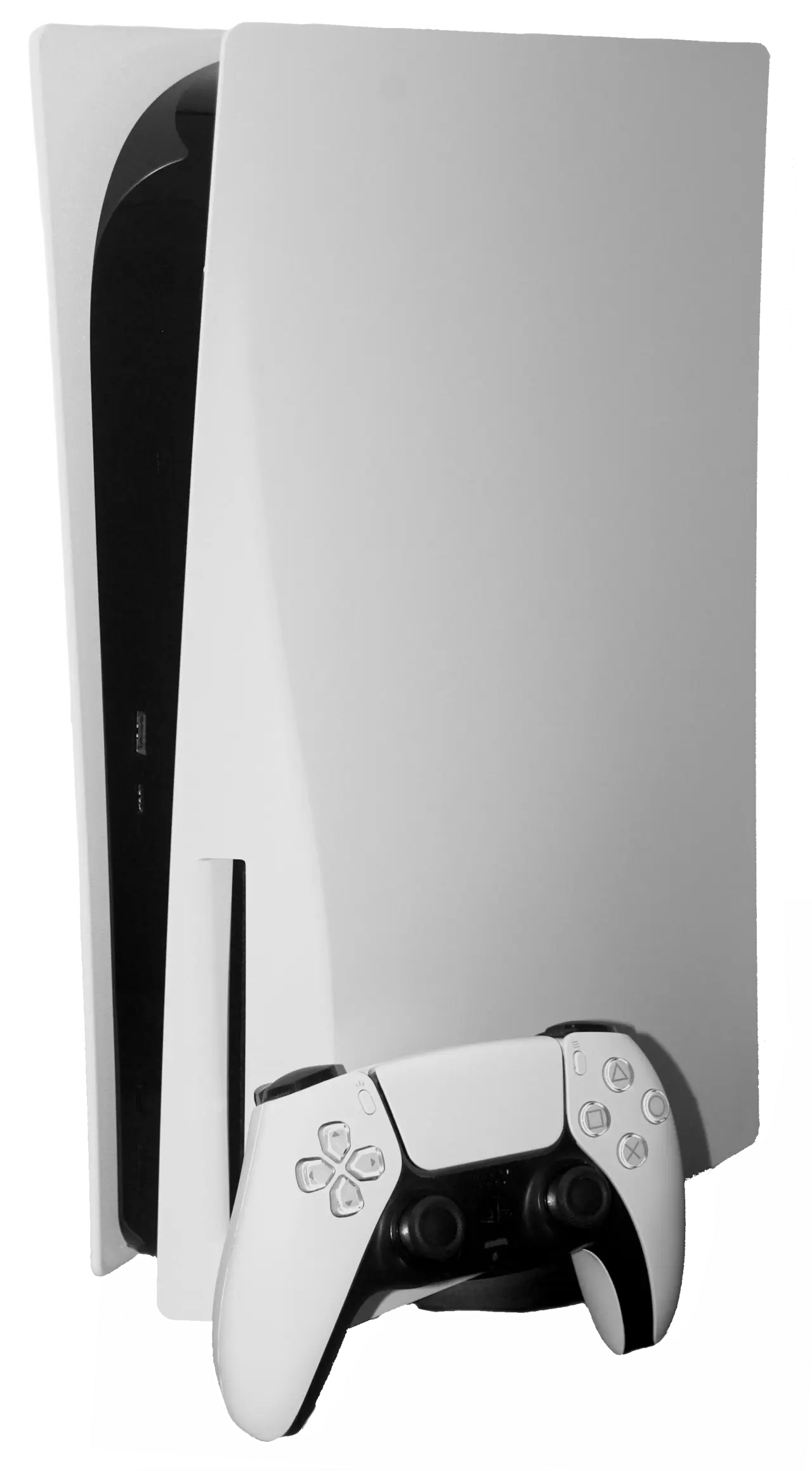
Howardcorn33 (Wikimedia Commons) · CC0 1.0 (Public domain) · Commons ↗ Sony released PlayStation 5 in North America and Japan. Built on AMD Zen 2 (8-core CPU) and RDNA 2 GPU, with a custom 5.5 GB/s SSD that drastically cut load times. The DualSense controller introduced haptic feedback and adaptive triggers. COVID-19 supply-chain disruption created chronic shortages for nearly two years after launch. Alongside the Xbox Series X/S released in the same period, PS5 opened the ninth generation of home consoles. By the November 2024 PS5 Pro release (US$699), the platform had sold roughly 65 million units.
- EVT.032T1Microsoft Closes US$68.7 Billion Acquisition of Activision BlizzardA History of MicrosoftRead more →